Why the right scent matters more than the thread count
You step into a luxury hotel and the air shifts before the lighting does. The scent is not loud, yet this quiet fragrance starts sketching a memory long before the front desk staff asks for your passport. In the best luxury hotels, that first olfactory experience is as carefully engineered as the mattress height or the city view.
Olfactory design has become the discreet power tool of global hospitality, and serious brands now treat it as core infrastructure rather than decoration. Scent companies such as Air Aroma and ScentAir work with hotel groups to create fragrance oils that behave like a logo in the air, building a brand identity that lingers in the guest experience long after checkout. ScentAir, for instance, has reported that a retail client saw a 15% increase in dwell time after introducing a tailored ambient scent (a result highlighted in the company’s published case studies), a finding hospitality executives often cite when they say that “Hotels use unique scents to enhance guest experience.” and that “To create memorable experiences and foster brand loyalty.” is the real objective, which shows why this is no soft luxury.
Think of Westin’s widely discussed White Tea signature scent or the warm citrus and wood notes many guests associate with classic grand hotels, which together form a kind of olfactory experience that regular visitors can identify blindfolded. Aman is frequently described in travel writing as leaning into sandalwood and cedarwood bases, adjusting the notes to the landscape so the scent design in Rajasthan feels different from that in Phuket yet still unmistakably part of one hotel signature family. For a traveller choosing between several luxury hotels, that invisible yet precise scent branding often signals which property has invested in long term emotional loyalty rather than short term Instagram post aesthetics.
How luxury hotels actually design a signature scent
Behind every memorable hotel scent sits a surprisingly technical brief, not a random scented candle chosen by a marketing intern. The general manager, the marketing équipe and often the interior designer sit with a perfumer to define the brand, the desired guest experience and the emotional arc of the stay. They talk about climate, materials, airflow and even the type of guest they want to attract, then create a palette of fragrances that can live in cold air diffusion systems without turning cloying.
The perfumer then builds several candidate signature scents, each with top, heart and base notes tuned to the property’s architecture and hospitality style. One might emphasise jasmine and tuberose for a Mumbai hotel, another might lean on vetiver and sandalwood for a Goa retreat, while a third explores fresher air notes for a glass heavy city tower. These are tested in real corridors and rooms, not just in a lab, because scent marketing fails quickly when a fragrance smells elegant in a vial but oppressive after three nights in a 40 square metre suite; as one hotel perfumer interviewed in Hospitality Design magazine put it, “You only know a hotel scent works when housekeeping staff still like it after eight hours on shift.”
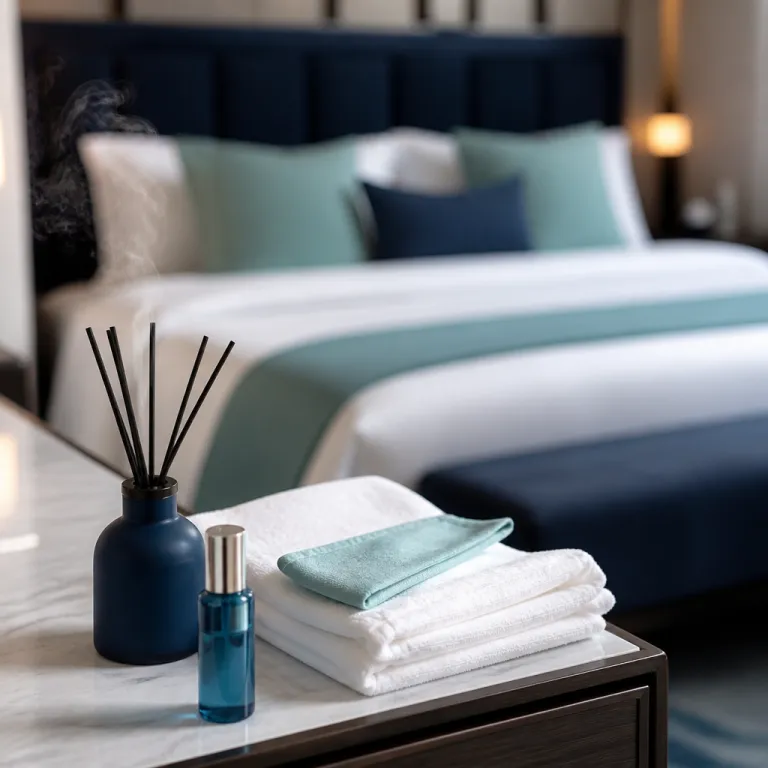
Once the hotel chooses its signature scent, it is translated into different formats for different spaces, from HVAC based cold air diffusion in lobbies to quieter fragrance oils in in room amenities. Corridors often carry a lighter version of the hotel scent, while rooms may use more intimate scented products such as pillow mists or linen sprays. If you want a structured way to evaluate how seriously a property treats this whole olfactory design process, a detailed five star hotel review checklist on a specialist hospitality guide can sharpen your eye and nose before you book.
The three layers of scent in a five star stay
Serious luxury hotels think in layers, not just one blast of perfume in the lobby. The arrival scent is the handshake, usually diffused through cold air systems so the fragrance feels like part of the architecture rather than a scented gadget. In long established properties, floral and spice notes have perfumed that first step into the lobby for years, turning the hotel signature into a kind of olfactory heritage.
Transition spaces such as lifts and corridors carry a softer version of the same scent, designed to keep the guest experience coherent without overwhelming the senses. Here, scent design has to respect ventilation quirks, carpet materials and even the way doors open, because stagnant air can turn even the best fragrances sour. When a brand gets this wrong, you feel trapped in a power scent corridor; when it gets it right, you simply feel that the hotel is calm, clean and strangely familiar.
Rooms are where the scent experience becomes personal, and this is where you should pay attention if you care about sleep quality and in room comfort. Some luxury hotels now offer a small scent menu, allowing each guest to choose between, say, a grounding sandalwood, a fresher citrus or a completely neutral air profile. If you are travelling with a pet and considering elegant escapes at pet friendly five star hotels, it is worth checking whether the property uses strong hotel scent diffusers or more discreet fragrance oils, as this can affect both your companion and your own rest; pet focused hotel reviews and specialist rankings often flag such details.
The Indian palette: jasmine, sandalwood and the politics of memory
For travellers from India, the olfactory experience of a hotel is never neutral because it collides with a lifetime of temple smoke, monsoon petrichor and wedding garlands. A jasmine heavy fragrance in a Delhi hotel lobby might evoke a grandmother’s courtyard for one guest and a crowded baraat for another, which is why scent branding in this region demands more nuance than a generic floral accord. The best luxury hotels here use local notes with restraint, letting the air carry a hint of tuberose or vetiver rather than a full on festive blast.
Aman properties in India are often described as grounding their scent design in sandalwood, layering in region specific notes so that a Himalayan retreat feels resinous and pine edged while a coastal resort leans saltier and more mineral. Lakeside palace hotels with destination spas sometimes use aromatherapy treatments that echo the hotel scent, turning the journey from room to massage table into one continuous olfactory experience. When this level of hospitality design works, you remember the way the corridor smelled at 6 a.m. as clearly as you remember the lake view from your balcony.
There is also a cultural politics to fragrance in Indian hotels, especially for guests who fastidiously avoid anything too reminiscent of incense or heavy attar. A thoughtful bespoke hotel will often keep public area scents very light and offer unscented or low fragrance oils in room amenities on request, which is a small but telling marker of respect. For you as a frequent guest, the question is simple yet revealing; does the hotel treat scent as a blunt marketing tool or as a subtle extension of its brand identity and your sleep health.
When scent becomes loyalty – and how to read it before you book
Once a hotel has trained your memory with a consistent signature scent, changing it becomes as risky as changing the logo on the façade. Regular guests notice instantly when the lobby air smells different, and the backlash can be surprisingly emotional because the fragrance has been quietly wired into their sense of belonging. This is why many luxury hotels now sell their signature scents as candles or room sprays, letting the guest recreate a slice of that scent experience at home and deepening the bond.
For a discerning traveller, the trick is to read this olfactory design before you commit to a three night stay. Look beyond the glossy instagram post and study how people talk about the hotel scent in reviews, paying attention to whether they mention headaches, allergies or, more interestingly, a feeling of calm they cannot quite name. A thoughtful post shared by a repeat guest often reveals more about the true guest experience than any official brand story, especially when they describe how the air in the room felt at midnight rather than how the lobby looked at check in.
Service craft matters as much as scent craft, of course, and the most sophisticated properties align both so that the concierge who fixes things at 2 a.m. operates with the same quiet precision as the cold air diffuser above the lobby chandelier. Academic work on environmental psychology has repeatedly shown that pleasant ambient scent can lift perceived quality and satisfaction scores, and one often cited study in the International Journal of Contemporary Hospitality Management reported that a congruent fragrance significantly improved guests’ intention to return. In the end, what keeps you returning to the same hotel is rarely the thread count alone; it is the tenth year of polish in a signature scent you cannot name but instantly trust.
FAQ
Why do hotels invest so heavily in a signature scent
Hotels invest in a signature scent because smell is the sense most directly linked to memory and emotion, which means a consistent fragrance can build powerful loyalty. A well designed hotel scent reinforces brand identity, differentiates the property from competitors and subtly improves the perceived cleanliness and comfort of spaces. This is why many luxury hotels treat olfactory design as a strategic tool rather than a decorative extra.
Can guests usually buy the hotel’s signature fragrance
Many luxury hotels now sell their signature scents as candles, room sprays or even personal fragrances so guests can recreate the scent experience at home. This retail extension turns the hotel signature into a daily ritual, strengthening the emotional bond between guest and brand. It also provides a useful test; if a hotel is willing to bottle its fragrance, it is usually confident in the quality and balance of its scent design.
How can I tell if a hotel’s scent will be too strong for me
If you are sensitive to fragrance, start by checking recent guest reviews for comments about strong scents in lobbies or rooms. You can also email the hotel in advance to ask whether they use cold air diffusion systems, whether in room amenities are heavily scented and whether unscented alternatives are available. On arrival, do a quick walk through of public areas before committing to a long stay, and request that any in room diffusers or scented products be removed if they feel overpowering.
What happens when a hotel changes its long standing scent
When a hotel changes a long standing signature scent, regular guests often notice immediately and may feel that something familiar has been lost. Because the previous fragrance is tied to years of memories, a sudden shift can feel like a change in brand identity, even if the logo and interiors remain the same. Thoughtful hotels manage this by evolving their scent gradually or by keeping elements of the original notes so the olfactory experience still feels connected to the past.
Is there a difference between lobby scent and room scent in five star hotels
Yes, serious luxury hotels usually differentiate between the stronger arrival scent in the lobby and the softer, more personal scent in guest rooms. Lobbies often use more diffusive fragrance oils through HVAC systems to create a clear first impression, while rooms rely on gentler products such as pillow mists or lightly scented amenities to protect sleep quality. When evaluating a property, it is worth asking how they adapt their scent design across these different layers of the guest experience.