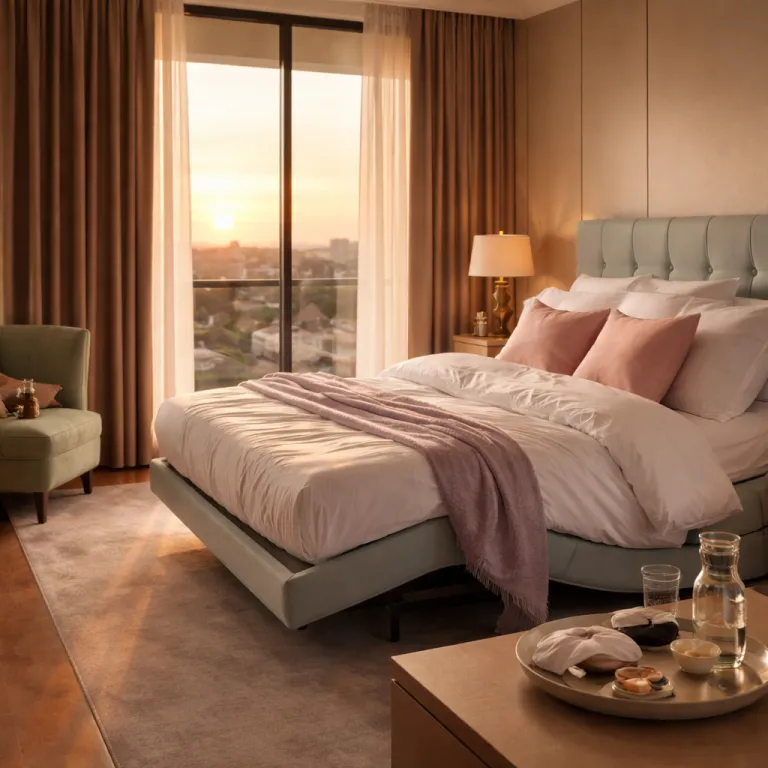
Why the best sleep hotels in luxury travel now matter more than the lobby
You are not booking a bed anymore, you are booking eight hours of repair. The best sleep hotels in luxury travel now treat those hours as the main event, with every room designed to promote deep rest rather than just look good in a photo. For a frequent flyer who lives between time zones, the right hotel can turn brutal tourism schedules into a quiet private retreat where sleep, rest and wellness finally align well.
Across high end tourism, sleep tourism has shifted from fringe curiosity to core wellness pillar, and luxury hotels now compete on who can engineer the deepest, most reliable rest. Industry data shows that 60 % of travellers are interested in sleep focused vacations, and luxury sleep programs have increased by more than a third in recent years, which means you now need to read beyond the spa menu and into the science. When you choose where to stay, you are really choosing which sleep program, which treatments and which level of acoustic and thermal engineering will quietly help guests rebuild themselves overnight.
Think of the new generation of sleep focused retreats as precision tools rather than pampering resorts. A grand resort with a famous spa but thin walls will not promote restful nights, while a smaller city hotel with a dedicated sleep floor, blackout design and a serious pillow menu can deliver consistently deep sleep. The best sleep hotels in luxury segments understand that quality sleep is now the ultimate status symbol, because a rested guest spends better, negotiates better and remembers the stay as a turning point rather than another anonymous room.
The architecture of quiet: how true sleep grade rooms are built
The difference between a standard five star room and a true sleep grade room is rarely visible in the photo gallery. What matters is the deep work behind the walls, where double stud construction, insulated doors and decoupled floors in serious luxury hotels create a cocoon that promotes restful silence even when the resort lobby is hosting a wedding. If you care about deep sleep more than skyline views, ask blunt questions about decibel levels, blackout systems and independent climate control before you book your stay.
Some of the best sleep hotels in luxury urban settings now treat acoustics the way Michelin chefs treat salt, using it sparingly and with intent. Equinox Hotel New York, for example, markets itself around performance and sleep tourism, with rooms designed to promote deep rest through soundproofing, temperature zoning and circadian lighting rather than just plush carpets. This is the same philosophy explored in depth in analyses of hush focused hospitality, where the quietest suites are framed as the new opulence rather than the biggest ones, a point unpacked sharply in this piece on why the quietest five star rooms win.
Thermal control is the other non negotiable if you want quality sleep on a tight business itinerary. A room that is designed to promote restful sleep will let guests set precise temperatures, avoid aggressive air conditioning drafts and maintain stable humidity, which matters more than another marble finish in the bathroom. When a hotel or resort invests in this level of engineering, you feel it at 3 a.m. after a late arrival from Hong Kong, when your body finally slides into deep sleep instead of fighting a noisy fan coil and a glowing thermostat.
The mattress question: where luxury sleep begins and marketing ends
Mattresses are where most five star marketing becomes loudest, yet the best sleep hotels in luxury travel tend to be the most precise rather than the most boastful. Swedish manufacturer Hästens has quietly become a reference point, with its hand built beds anchoring the Hästens Sleep Spa in Portugal and the Hästens Ultimate Sleep Suite at Lotte New York Palace, both designed to promote deep rest through calibrated support rather than theatrical softness. These hotels treat the bed as a piece of performance equipment, not a prop, and that mindset shows in how rested guests feel after a short stay.
For a frequent business traveller, the real question is not whether the mattress is expensive, but whether the overall sleep program around it is coherent. At Palazzo Fiuggi in Italy, for instance, luxury sleep is integrated into broader wellness treatments, with personalised sleep programs, nutrition guidance and light exposure protocols that help guests move from jet lagged tourism sleep to genuinely restorative deep sleep. This is where serious sleep programs differ from gimmicks, because every element in the room is designed to promote restful, consistent quality sleep rather than just justify a higher rate.
When you compare room types, read beyond the suite names and look for structural clues. Guides that explain five star hotel room types for confident luxury bookings, such as this breakdown of how suites are really configured, can help you decode whether a so called sleep focused suite is actually in a quieter wing or just a standard room with a branded pillow. The best sleep hotels in luxury segments will be transparent about mattress construction, pillow options and even the provenance of linens, because they know that deep rest is now a measurable outcome, not a poetic promise.
From jet lag to deep rest: sleep programs that actually work
For a reader who spends sixty nights a year in hotels, the fantasy is not a longer spa menu but a reliable personal sleep program that travels with you. The most serious luxury hotels now offer dedicated sleep programs that combine timed light exposure, hydration protocols, meal windows and, where appropriate, supervised supplementation to help guests shift time zones without wrecking their next day meetings. Six Senses Ibiza, Ananda in the Himalayas and several grand resort properties in Europe have moved beyond vague wellness retreats into tightly designed sleep focused stays that treat your circadian rhythm as the main client.
In practice, a good hotel sleep program starts before you even see the room. You might complete a short intake on your usual sleep, rest and work patterns, after which the wellness équipe adjusts your arrival treatments, recommends specific spa rituals and sets up your room to promote restful, deep sleep from the first night. Some properties now integrate sleep tracking devices and red light therapy into their programs, aligning with broader trends in biohacking and longevity, while still keeping the experience grounded in hospitality rather than laboratory tourism.
Not every resort or hotel gets this right, and you should remain sceptical of vague promises. When a property talks about tourism sleep or sleep tourism but cannot explain how its sleep programs are designed to promote measurable improvements in quality sleep, you are likely paying for branding rather than results. The best sleep hotels in luxury markets will share clear protocols, realistic expectations and, crucially, the flexibility to adapt the sleep program when your flight from Hong Kong is delayed or your board meeting runs late.
Insider playbook: choosing the right luxury sleep hotel for business travel
For a premium business traveller based in Mumbai, Delhi, Bengaluru, Singapore or Dubai, the best sleep hotels in luxury circuits are the ones that respect your calendar as much as your comfort. You need a room that is designed to promote deep rest after late night calls, early departures and the occasional midnight crisis, not just a resort style spa that closes at eight. This is where properties like Equinox New York, Ananda in the Himalayas, Palazzo Fiuggi and even discreet addresses such as Ellerman House in Cape Town stand out, because their teams are trained to help guests protect sleep as fiercely as any meeting.
Look for hotels and resorts that offer a dedicated sleep concierge or at least a clearly articulated sleep program, rather than a generic wellness brochure. Some luxury hotels now run entire floors as quiet retreats, with courtesy policies on noise, adjusted housekeeping schedules and in room amenities designed to promote restful, deep sleep, from herbal infusions to blue light limiting setups. When you read reviews, filter for comments on noise, blackout quality and temperature control, because those details will tell you more about potential deep rest than any staged photo of the pool.
The invisible craft matters as much as the hardware, and this is where seasoned concierges and butlers become your best allies. Detailed reporting on the butler who runs Mumbai’s best suite, for instance, shows how a single attentive professional can quietly help guests manage jet lag, adjust sleep programs and orchestrate late night room treatments without fuss, a level of service explored in depth in this piece on the invisible craft of great suites. In the end, the best sleep hotels in luxury travel are not defined by the thread count, but by the tenth year of polish in how they help guests move from exhausted tourism sleep to genuinely restorative deep rest.
FAQ
What is sleep tourism in the context of luxury hotels ?
Sleep tourism refers to travel that is primarily organised around improving sleep quality through specialised programs, dedicated sleep rooms and wellness treatments. In luxury hotels, sleep tourism often includes personalised sleep programs, advanced mattresses, acoustic engineering and spa rituals that are designed to promote restful, deep sleep rather than just offer a comfortable bed. As one industry definition puts it, “What is sleep tourism? Travel focused on improving sleep quality through specialized programs and amenities.”
Which luxury hotels currently offer the most serious sleep programs ?
Several high end properties now anchor their identity around sleep focused stays, including Hästens Sleep Spa in Portugal, Lotte New York Palace with its Hästens Ultimate Sleep Suite and Palazzo Fiuggi in Italy with its integrated sleep recovery programs. Wellness retreats such as Six Senses Ibiza, Ananda in the Himalayas and performance driven hotels like Equinox New York also run structured sleep programs that combine room design, spa treatments and lifestyle coaching. When evaluating options, look for clear explanations of how their sleep program is designed to promote measurable improvements in quality sleep rather than just marketing language.
Are luxury mattresses and sleep focused suites worth the premium price ?
For travellers who spend many nights a year in hotels, a well engineered mattress and a room designed to promote restful sleep can significantly improve energy, focus and overall wellness during a trip. Many guests report that luxury mattresses from brands such as Hästens, combined with serious acoustic and thermal design, deliver deeper, more consistent sleep than standard five star beds. As one industry summary notes, “Are luxury mattresses worth the investment? Many find luxury mattresses enhance sleep quality, justifying the higher cost.”
How can I quickly assess whether a hotel will provide good sleep quality ?
Start by checking whether the hotel describes any dedicated sleep program, quiet floor or wellness retreat that focuses on rest rather than only spa treatments. Then read guest reviews for specific mentions of noise levels, blackout curtains, temperature control and mattress comfort, because these details usually predict whether you will achieve deep rest or just acceptable sleep. If possible, contact the hotel directly to ask about room placement, sleep amenities and any flexibility in housekeeping schedules to support your preferred sleep window.
What practical steps can business travellers take to improve sleep on the road ?
Business travellers can improve sleep by standardising a simple personal sleep program that travels with them, including a consistent pre bed routine, light management and hydration. Choosing hotels that are designed to promote restful, deep sleep through quiet rooms, good mattresses and wellness support will amplify these habits, especially when crossing time zones. Combining this with basic jet lag strategies such as timed light exposure, controlled caffeine intake and, where appropriate, medical advice on supplementation can turn even short stays into effective recovery retreats.