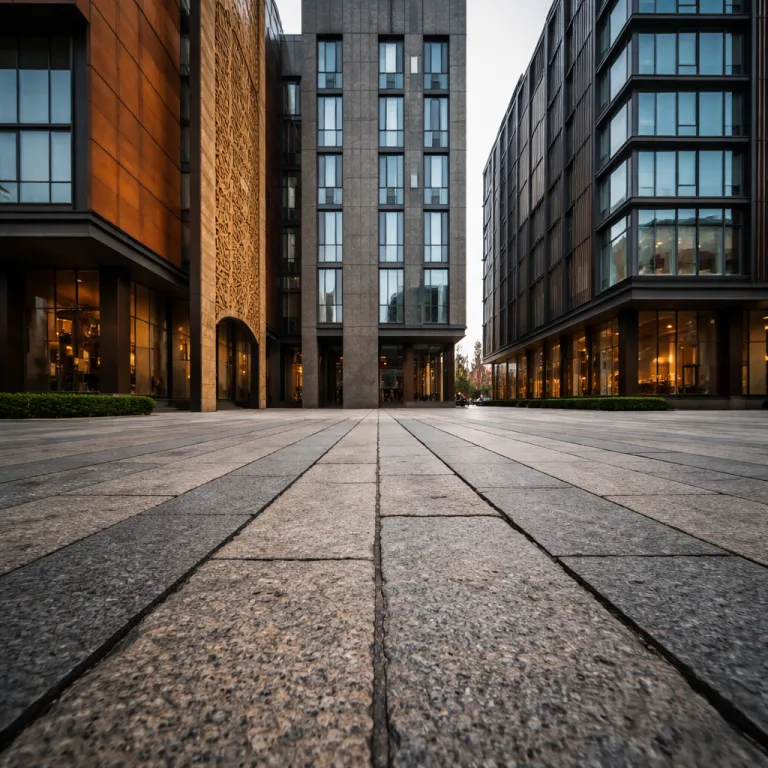
India luxury hotel expansion 2026 and the new five star map
India’s luxury hotel build‑out towards 2026 is no abstract pipeline story for frequent flyers. It is the moment when the country finally shifts from a handful of predictable metros to a genuinely national grid of premium properties, with real implications for where you sleep after a late client dinner. For a traveller who treats a hotel as both office and refuge, the hospitality sector is quietly redrawing the map of viable overnight cities.
Within this phase of India’s high‑end hotel expansion, three domestic groups define the competitive field. IHCL, parent of Taj, is the most aggressive Indian player, with 255 properties in its signed portfolio and a public target of 1,000 hotels by the end of its Accelerate 2030 plan, as outlined in IHCL investor presentations from 2023. Oberoi Hotels & Resorts, through EIH Limited, pursues a smaller but tightly controlled collection of mostly owned luxury hotels, while ITC Hotels follows a hybrid model that mixes owned flagships with managed properties. Global operators such as Marriott International, Accor, Hilton, IHG Hotels & Resorts and Radisson are chasing the same growth curve in Indian hospitality, each reading the market through a different lens of ownership, management and real estate risk. A recent industry report from HVS India and company filings for 2022–23 underline the scale of this boom by noting that IHG’s planned hotels in India stand at roughly 400 properties, while IHCL’s pipeline already counts 255.
For the traveller, the headline is simple but powerful. India now accounts for roughly a quarter of the Asia Pacific hotel development pipeline, which means that cities once treated as day‑trip only are quietly adding keys at the five star level. The result is a hospitality landscape where global brands, Indian stalwarts and new resort‑style spa concepts compete in the same micro market, from South Asia’s financial hubs to pilgrimage towns and manufacturing corridors.
Asset light, asset heavy and what it feels like at check in
Behind the scenes of India’s luxury hotel surge sit three sharply different philosophies of premium hospitality. Taj under IHCL leans into an asset‑light model, signing management contracts across India and beyond, while Oberoi doubles down on mostly owned luxury hotels and ITC pursues a hybrid path that blends owned flagships with managed hotels and resorts. For a guest walking into a lobby at 23:00 after a delayed flight, those capital structures translate into very specific experiences of service consistency, staffing depth and how quickly a hotel can be refreshed.
Asset‑light growth allows Taj to plant its brand in more hotels nationwide, from business‑focused properties in tier‑two cities to leisure‑driven resorts in coastal belts, and that scale matters when you are chasing elite status in Taj InnerCircle. Oberoi’s owned approach tends to produce fewer hotels but more obsessive control over hardware and service, which still shows in details like the quiet authority of a duty manager or the way a resort spa is integrated into the daily rhythm of a property. ITC’s hybrid strategy, sitting between these two, often delivers strong food and beverage, credible sustainability credentials and a slightly more variable feel across its portfolio, especially as new development projects come online in emerging markets.
Global chains add another layer to the 2026 build‑out. IHG Hotels & Resorts is scaling towards more than 400 hotels in India, using brands such as Holiday Inn, Holiday Inn Express, Crowne Plaza and InterContinental to cover everything from midscale to luxury hospitality, while Hilton pushes Conrad and Waldorf Astoria and Accor signs Sofitel and Fairmont. As one industry summary of India luxury hotels 2026 puts it, “Which hotel chains are expanding in India? Marriott, Accor, Hilton, IHG, IHCL, Radisson.”
Quiet luxury, pricing and the new expectations of space
As more keys hit the market, the question every business traveller asks is whether rates will finally bend towards global norms. India’s top‑tier luxury hotels have long priced below comparable properties in Europe or the Gulf, but the current expansion is colliding with strong domestic demand, rising inbound tourism and a limited supply of truly well‑located city‑centre sites. The result is a market where rack rates inch up in flagship hotels while new openings in secondary districts and cities offer better value, especially for those willing to trade a ten‑minute longer commute for a quieter floor and a fresher product.
Recent HVS India data and STR trendlines suggest that average daily rates at the luxury and upper‑upscale level in key metros now often sit in the ₹9,000–₹14,000 band on peak nights, with occupancy in cities such as Mumbai, Delhi and Bangalore frequently crossing 70 percent. One clear trend in the latest wave of openings is the shift towards what some operators call “hushpitality” — a focus on acoustic comfort, air quality and spatial calm rather than ostentatious décor, a movement mirrored in international case studies such as the reimagined quiet room concepts analysed in this piece on why the quietest five star rooms feel like true opulence. For India, where urban noise and dense construction are facts of life, the best new luxury hotels are investing in double‑skin façades, deeper setbacks and smarter zoning between event spaces and guestroom towers.
For travellers who split their time between India and other Asia Pacific hubs, this evolution aligns the country more closely with global expectations of luxury hospitality. You now see resort spa standards from Bali or Phuket being imported into Indian coastal resorts, while city hotels in Mumbai, Delhi or Bangalore benchmark their club floors and executive lounges against Singapore and Dubai. The lesson is clear for anyone planning high‑stakes travel; in a crowded hospitality sector, it is not the thread count that matters, but the tenth year of polish in how a property handles late check‑outs, quiet corridors and the small frictions of a long‑term relationship with its guests.
Tier two cities, loyalty games and where status really counts
The most tangible shift in India’s premium hotel landscape is happening far from the traditional golden triangle. Cities such as Indore, Coimbatore, Bhubaneswar, Lucknow and Nagpur are finally seeing credible five star hotels, often under global brands that once ignored these markets. For the regional business traveller, that means fewer 05:30 flights, more same‑day meetings and a realistic chance of a proper gym, a competent bar and a resort‑level massage before the morning review.
IHCL’s push into smaller cities, combined with Marriott, Accor, Hilton, IHG Hotels & Resorts and Radisson’s own pipelines, is turning India into one of the most competitive hotel markets in South Asia. The current expansion is also being fuelled by rising domestic tourism and a more confident Indian middle class, which is willing to pay for luxury hotels on family trips, weddings and pilgrimage circuits. That blend of corporate and leisure demand is exactly what convinces owners and lenders that hotel development in these locations can sustain long‑term returns.
Loyalty programmes are the quiet power brokers in this story. Taj InnerCircle, Oberoi One and ITC’s Green Points now have to compete not just with each other but with Marriott Bonvoy, Accor Live Limitless and IHG One Rewards, especially as IHG increases its footprint of Holiday Inn, Holiday Inn Express and Crowne Plaza properties across India. For a traveller who already holds elite status with a global brand, the expansion of hotels and resorts under familiar flags can tilt stay decisions away from independent Indian names, even when the latter offer sharper service or better food.
How expansion changes your nightly choices
The rapid build‑out of upscale rooms is also altering the calculus of where you choose to base yourself within a city. In Mumbai, for example, the traditional split between south and north is being complicated by new hotels in emerging business districts, while in Hyderabad the arrival of more luxury properties near the airport and financial district gives you options beyond the usual suspects. Similar patterns are playing out in Pune, Ahmedabad and Jaipur, where the first credible resort‑style properties within city limits blur the line between business and leisure stays.
For those who work across Asia Pacific, this densification of India’s luxury hospitality grid makes multi‑city itineraries more efficient. You can now plan a week that runs from a client meeting in Bangalore to a factory visit in Hosur and a board session in Chennai, staying within the same hotel brand family and earning meaningful points at each stop. That is where the abstract language of growth, portfolio expansion and market share becomes very practical; it decides whether your late‑night room service is an afterthought or a well‑drilled operation that understands a traveller who lands hungry at midnight.
There is also a subtle cultural shift in how Indian hotels handle the premium business guest. As competition intensifies, general managers and their teams are paying closer attention to repeat patterns in travel trade data, using those insights to fine‑tune check‑in flows, car transfers and even minibar curation. For the guest, the signal is simple; when a front office remembers your preferred pillow and your usual check‑out time without fuss or fanfare, you are seeing the real dividends of this nationwide luxury hotel expansion.
Quiet rooms, loud lobbies and the new etiquette of space
One underreported aspect of the current boom is the way spatial planning is evolving in response to both global trends and local demand. The best new hotels in India are learning from international exemplars of quiet luxury, where the most coveted rooms are not the largest suites but the ones that sit furthest from lifts, banquet halls and traffic. This is especially visible in mixed‑use real estate projects where hotels share podiums with offices and malls, forcing architects to work harder on acoustic separation and guest circulation.
For travellers who care about sleep quality, this is where doing a little homework pays off. Reading between the lines of a hotel’s description, or even scanning a floor plan during subscriber login on a brand app, can reveal whether a property has genuinely thought through its noise profile or simply bolted a spa onto a conference centre and called it a resort. In a market as dynamic as India, the gap between the best and the merely adequate is widening, even as both segments trade under the same luxury label.
Those who have sampled refined stays in European capitals will recognise the pattern, especially if they have experienced the kind of discreet, city‑centre calm described in this guide to refined five star hotels in a historic urban core. India’s luxury hotel expansion is not yet at that level of uniform polish, but the direction of travel is clear, and the smartest general managers are already borrowing those playbooks. For the guest, the reward is a growing number of Indian hotels where you can step from a chaotic street into a lobby that smells of tuberose and sandalwood, and know that your room will feel like a private, well‑tuned instrument rather than an echo of the party downstairs.
Global brands, IHG’s push and what it means for your next stay
Global chains are treating India’s luxury hotel build‑out towards 2026 as a once‑in‑a‑generation opening. IHG Hotels & Resorts, for instance, has publicly targeted more than 400 hotels in India, using a ladder of brands from Holiday Inn and Holiday Inn Express to Crowne Plaza and InterContinental to capture every segment from roadside corporate to full‑scale luxury hotel, according to recent development updates and India‑focused pipeline announcements. Marriott International, Accor, Hilton and Radisson are following similar strategies, each layering their own hotels and resorts into the Indian landscape in partnership with local developers and government bodies.
For the frequent traveller, this means that the familiar logos you rely on in Europe, the Middle East or other parts of Asia Pacific will increasingly greet you in secondary and tertiary Indian cities. The current expansion is not just about more keys; it is about the standardisation of certain expectations around bedding, connectivity, breakfast and loyalty recognition, which can be a relief after years of wildly variable experiences in independent properties. At the same time, the influx of global brands raises the bar for domestic players, who now have to match not only service but also the back‑end technology, CRM systems and data‑driven guest recognition that international groups deploy at scale.
One interesting side effect of this globalisation is the way it reframes India within the wider hospitality sector. As more international executives shuttle between Mumbai, Dubai and Singapore, they increasingly compare Indian luxury hotels not just with local peers but with flagships in London, Paris or New York, and that comparison cuts both ways. When an Indian city hotel delivers a sharper check‑in, a better gym and a more intuitive room layout than a supposedly top‑tier property in another global capital, the old hierarchies of where “real” luxury resides start to look outdated.
Pricing, ADRs and the quiet shift towards global norms
Pricing remains the most sensitive topic in discussions about India’s upscale hotel sector. For years, the country’s average daily rates at the top end lagged behind global peers, even as demand from corporate travel, weddings and inbound tourism kept occupancy healthy. The current wave of openings is testing whether increased supply will finally nudge ADRs closer to what seasoned travellers pay in other major markets, or whether intense competition in certain corridors will keep rates in check.
In practice, the picture is nuanced and highly local. In financial hubs such as Mumbai and Bangalore, peak dates around major events still see luxury hotels selling out at rates that surprise even hardened road warriors, while shoulder nights in emerging business districts can offer excellent value. The 2026 pipeline is also bringing more differentiated products into the same micro market, from pure business hotels under flags like Holiday Inn Express to full‑service Crowne Plaza properties and high‑touch resort‑style retreats on the city fringe, each targeting a different slice of demand.
For travellers who manage their own budgets, the smartest move is to think like a revenue manager. Track how rates move over a quarter, not just on a single search, and pay attention to how new openings under both Indian and global brands affect pricing in your usual corridors. Over time, the expansion of India’s luxury hotel network should translate into more choice and better value, but the benefits will accrue first to those who understand how the market actually behaves, rather than assuming that more keys automatically mean cheaper rooms.
From Dubai to Delhi: learning from other luxury laboratories
India is not expanding in isolation; it is part of a wider Asia Pacific story in which cities compete to define the next iteration of luxury hospitality. Dubai, for example, has used its own hotel boom to experiment with scale, spectacle and service choreography, as seen in the way large‑format properties rethink everything from lobby flow to suite design, a process dissected in this analysis of a major reimagining at the JW Marriott Marquis Dubai. India’s 2026‑oriented expansion is absorbing those lessons, but filtering them through local expectations of warmth, food and the particular rhythms of Indian business life.
For a premium traveller based in Bombay, Delhi, Bangalore, Singapore or Dubai, this cross‑pollination matters. You might spend one week in a glass tower in Gurgaon, the next in a waterfront hotel in Dubai and the third in a heritage conversion in Europe, and your internal benchmark for what constitutes good service, smart design and fair pricing is constantly updating. The current Indian build‑out is the country’s chance to reset that benchmark in its favour, especially in segments where local hotels already excel, such as personalised service, vegetarian fine dining and the integration of wellness into a business stay.
In the end, the most interesting thing about this phase of India’s luxury hotel expansion is not the number of keys or the length of the pipeline. It is the way this growth forces every player — from Taj and Oberoi to IHG Hotels, Marriott, Accor, Hilton and Radisson — to clarify what their brand actually stands for in the eyes of a traveller who has options in every major city. For those who care about where they sleep, work and think on the road, that competitive pressure is very good news.