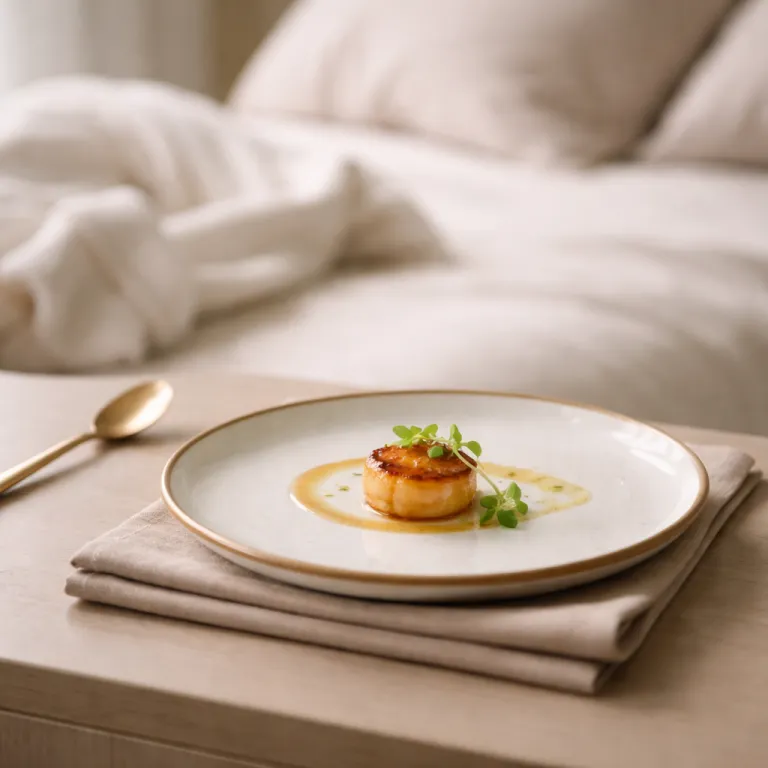
When the restaurant sells the room
The best hotel restaurants sought out by luxury travellers are no longer side shows. In serious five star properties, the dining room is the headline act and the guest room is the supporting cast, which means you now book the restaurant first and the suite second. For a discerning traveller choosing between several luxury hotels, the chef, the culinary philosophy and even the shape of the dining room matter more than another marble bathroom.
Consider Le Coucou in New York, where chef Daniel Rose’s Michelin starred French cuisine has turned a design focused hotel setting into a pilgrimage for elegant dining. The restaurant offers a quietly theatrical menu of classic French dishes, and the room’s low lighting and soft banquettes make the entire space feel more intimate and more star worthy than its façade suggests. This is how the best restaurants inside luxury hotels work today: they anchor the property, pull in locals and give you a reason to stay in rather than chase reservations across town.
Industry research backs the shift in priorities among affluent guests, with surveys from hospitality consultancies such as WATG Advisory noting that strong food and beverage programmes correlate with higher guest satisfaction and more positive reviews. That is why the smartest luxury hotels design their signature restaurants as independent destinations, often with an executive chef whose name carries more weight than the hotel logo. For you, the guest, it means that choosing the right hotel restaurant is effectively choosing the character, rhythm and flavour of your entire stay.
Signature chefs, not generic programmes
In the old model, a five star hotel ran safe, international dining and called it a day. Now, the luxury hotel restaurants serious travellers favour are led by chefs with a point of view, and a restaurant with a story that could stand alone on any city street. A named executive chef with a clear cuisine identity will almost always beat a chain wide food and beverage template, no matter how polished the service script.
Epicure at Le Bristol Paris is a textbook case, where three Michelin stars and rigorous French haute cuisine turn a grand hotel into a gastronomic address first and a place to sleep second. The menu reads like a love letter to French seafood and seasonal produce, and the elegant dining room reframes the entire hotel as a temple of fine dining rather than just another palace hotel. When you book a table there, you are also quietly booking into a culture of precision, from the breakfast and lunch service to the last glass poured at dinner.
Across the Atlantic, Vestry in New York shows how contemporary seafood and a Michelin starred restaurant can reposition a modern tower hotel as one of the best options for serious eaters. These starred restaurants attract locals, critics and global ambassador level regulars, which keeps standards brutal and honest. For a traveller, that pressure is your insurance policy: award winning hotel restaurants with waiting lists rarely tolerate lazy menus or indifferent service upstairs.
Rooftop bars, lobbies and the new social gravity
Walk into many luxury hotels now and you will notice something: the lobby feels almost secondary, while the rooftop bar or signature bar restaurant is where the real energy sits. For the high end hotel restaurants luxury guests choose, the pre dinner drink with skyline views often sells the property more effectively than any spa brochure. The hotel restaurant and bar together create a social ecosystem that either flatters your stay or makes it feel like a conference.
In Hong Kong, for example, several luxury hotels have turned their rooftop restaurants and bars into the city’s default meeting points, where the line between restaurants, spas and cocktail lounges blurs elegantly. You may book a room for the infinity pool, but you return because the restaurant offers a view soaked dinner that feels stitched into the city’s fabric. The same logic applies in New York, where a Michelin starred restaurant like Le Coucou or Vestry draws a crowd that makes the entire hotel feel more alive, more urban and frankly more worth the nightly rate.
Rooftop venues also expose the weak spots: when sound from the bar bleeds into guest floors, the glamour of elegant dining quickly turns into a complaint about sleep. The best restaurants inside luxury hotels manage acoustics, elevator flows and table spacing so that the dining room buzz never invades your suite. When you evaluate hotel restaurants, ask where the bar sits, how late it runs and whether the hotel has invested in design that respects both revelry and rest.
Breakfast, the quiet test of a five star stay
Dinner gets the Instagram posts, but breakfast is where the luxury hotel restaurants discerning travellers respect quietly prove themselves. A hotel that can serve a flawless breakfast to lunch transition without chaos usually has its back of house etiquette and équipe in order. For you, that first meal is the most honest audit of service, sourcing and the kitchen’s basic competence.
Consider the way serious luxury hotels handle eggs, coffee and bread: if the croissant tastes like it could have come from a street side French bakery and the masala omelette arrives exactly as ordered, you are in safe hands. In properties like The Oberoi or the Taj Mahal Palace in Mumbai, the breakfast dining room often feels like a calm club, where regulars are greeted by name and the menu offers both French cuisine classics and regional Indian dishes without fuss. That balance of global and local cuisine is what separates a generic five star hotel from a true luxury hotel restaurant that understands its city.
In the United States, Becca at The Historic Cavalier Hotel in Virginia Beach shows how a garden inspired menu can turn a simple morning meal into a reason to stay on property. When hotel restaurants treat breakfast as a serious course rather than a buffet obligation, the entire day’s tone shifts. As you book your next stay, read reviews that mention breakfast specifically, because guests rarely lie about their first coffee of the day.
The Indian lens and how to choose your next stay
For Indian travellers, the best hotel restaurants, luxury wise, often still sit inside hotels rather than in stand alone addresses. In cities like Mumbai and Delhi, starred restaurants and award winning dining rooms at the Taj Mahal Palace, The Oberoi or ITC Maurya have long set the benchmark for both North Indian and international cuisine. You do not just book a room there; you book access to a cluster of restaurants best known to locals as default choices for celebrations, power dinners and Sunday brunches.
This is where a good travel guide or a trusted global ambassador style friend becomes invaluable, because they will tell you which hotel restaurant still has an engaged executive chef on the pass and which one is coasting on past awards. When you compare luxury hotels, look beyond the star rating and examine how many restaurants, bars and even restaurant spas the property runs, and whether each has a clear identity. A Four Seasons style approach, where every outlet has its own menu, mood and views, usually signals a serious commitment to food and beverage as a core experience.
Also think about loyalty; if you tend to return to the same brands, study how their food and beverage benefits integrate with elite status, as outlined in specialised analyses of how five star hotel loyalty programmes elevate every stay for discerning travellers. A strong programme can turn regular dinner spend at a hotel restaurant into upgrades, late check outs and better tables at fine dining venues. In the end, the real luxury is not just the thread count, but the tenth year of polish in a dining room that still cares who you are.
Key figures on luxury hotel restaurants
- Many affluent travellers now actively prioritise hotels with great restaurants when choosing where to stay.
- Integrated food and beverage programmes in luxury hotels are strongly associated with higher guest satisfaction and more positive reviews.
- New York City currently hosts multiple Michelin starred hotel restaurants, reflecting the city’s intense focus on high level hotel dining.
Essential questions about luxury hotel dining
What defines a luxury hotel restaurant?
What defines a luxury hotel restaurant? High quality cuisine, exceptional service and an elegant ambience. In practice, that means a clear culinary identity, a chef led kitchen, a well trained floor team and a dining room whose design matches the level of the menu.
Are reservations required at these restaurants?
Are reservations required at these restaurants? Yes, reservations are recommended. For Michelin starred and award winning venues inside luxury hotels, booking well in advance is often essential, especially for prime time dinner slots and tables with the best views.
Do hotel restaurants accommodate dietary restrictions?
Do hotel restaurants accommodate dietary restrictions? Most offer options for various dietary needs. Serious luxury hotels will usually note allergies at the time of booking, adapt the menu where possible and coordinate between the chef and service team to avoid any awkwardness at the table.
More questions luxury travellers often ask
How can I judge a hotel’s restaurant before I book?
Read recent reviews that mention specific dishes, service details and the atmosphere of the dining room rather than vague praise. Cross check whether locals recommend the restaurant independently of the hotel, and look for signs of an active executive chef, such as seasonal menu changes or special tasting menus.
Is it better value to eat in the hotel or outside?
In many cities, top hotel restaurants are priced similarly to leading stand alone venues, but they offer the convenience of charging to your room and sometimes better service consistency. If you already plan to spend on fine dining, choosing a hotel with a serious restaurant can concentrate your spend where it also earns loyalty benefits.
What should I look for in a hotel breakfast offering?
Check whether the hotel offers both à la carte and buffet options, how guests rate coffee quality and whether local dishes appear alongside international staples. A thoughtful breakfast usually signals strong overall kitchen standards, while complaints about cold food or slow tea refills often hint at wider service issues.
Do all luxury hotels have Michelin starred restaurants?
No, many excellent luxury hotels operate without Michelin recognition, especially in regions where the Guide is not present. Focus on the coherence of the menu, the professionalism of staff and whether the restaurant attracts non resident diners, which is often a more reliable indicator of quality.
Sources
- Michelin Guide – listings and ratings for hotel based restaurants worldwide.
- WATG Advisory – hospitality trend analyses on integrated food and beverage performance.
- The Luxury Travel Expert – curated reviews of leading luxury hotel restaurants.