The 11 pm club sandwich test for families who actually use the room
Order a club sandwich at 23:00 and you will see the real luxury hotel room service quality standards. The way a hotel service handles that single plate tells you more about management priorities, staff training depth, and brand standards than any marble lobby ever could. For an Indian family landing after a red eye with hungry children, this quiet test of service quality matters far more than the chandelier count.
In serious luxury hotels, the room service phone is answered within three rings and the staff member sounds awake, not resentful. They confirm the order back, ask about allergies for each guest, and suggest a half portion for the youngest child rather than pushing more food and beverage items. In weaker hotel chains, you hear clattering in the background, vague timing promises, and a sense that the hospitality industry has outsourced the night shift to whoever was free.
The club sandwich itself is a syllabus in service standards and standards hospitality. Bread should arrive still crisp, not steamed into rubber by a careless service room cover, and bacon should be properly drained rather than dripping onto the fries. When a hotel brand gets this right, from Oberoi in Mumbai to Four Seasons in Singapore, you feel a quiet confidence that the same consistency runs through housekeeping, spa appointments, and airport transfers.
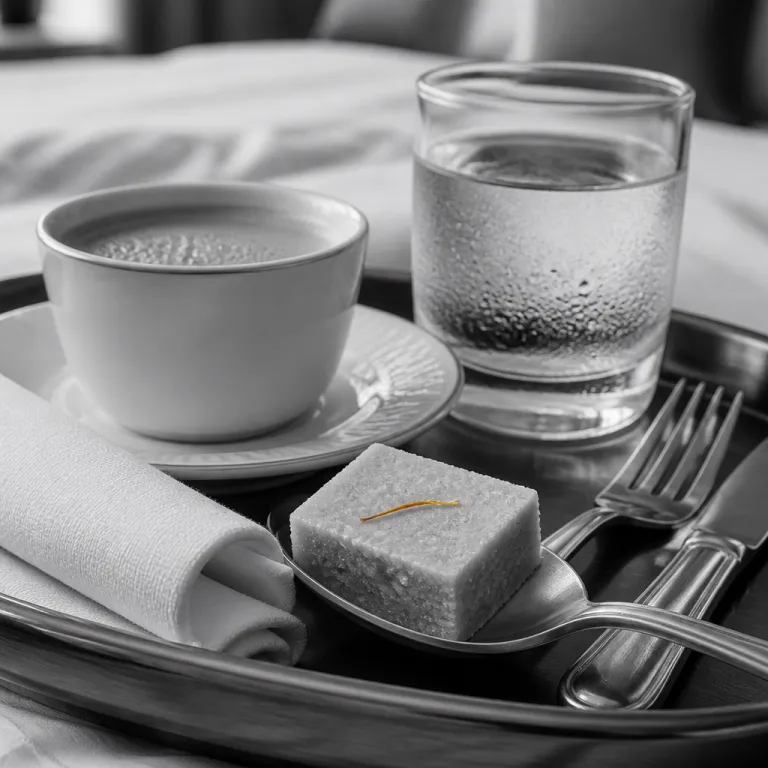
Watch the tray. High quality hotels use solid crockery, a linen napkin, and a proper insulated dome that keeps the food hot without sweating it to death. Lesser hotel management teams cut costs with paper boxes and a paper bag, which might work for a business hotel near an expressway but fails the five star test instantly. For a family, that difference in hotel room service quality is the line between a calm bedtime and overtired children picking at cold fries.
There is also the question of timing, which reveals how seriously the hotel industry treats in room dining logistics. The hospitality industry benchmark for average delivery time hovers around thirty minutes, and Four Seasons openly uses a thirty minute promise as an internal best practices target. When your tray arrives in real time close to that mark, still hot, with condiments arranged rather than thrown, you are seeing service quality as an operational art form, not a marketing slogan.
Presentation, temperature and timing: the physics of a hot meal on the 40th floor
The hierarchy of presentation in room service is brutally clear. At the top sit Peninsula Hotels, where a silver cloche, a silent knock, and a perfectly aligned tray show how luxury hotel room service quality standards can become a brand signature. Below that, you find wooden trays with decent china, then the slippery slope into cardboard, plastic lids, and the quiet admission that hotel service is now just delivery with better uniforms.
Temperature is where most hotels fail, especially when the room is on a high floor and the kitchen is two lifts and a service corridor away. To keep food hot without ruining texture, good hotel management teams map the route, test it with real food, and adjust plating so fries stay crisp and dosa does not turn leathery. When a hotel brand has done this homework, your late night masala omelette for a jet lagged child arrives steaming but not soggy, and the guest experience feels almost engineered.
Timing is not just about speed ; it is about honesty. When the staff member says thirty minutes and the trolley appears at twenty eight, you trust the service and the people behind it. When they say twenty and arrive at forty, you know that management and training are box ticking exercises, not living systems.
Technology now sits quietly behind the best service offers in luxury hotels. Orders placed by phone, in room tablets, or mobile apps are time stamped, routed to the kitchen, and tracked so that the équipe on the floor can see in real time where the tray is. The hospitality industry has moved from guesswork to data, and the hotels that care about service quality use those données to refine routes, staffing, and even which dishes travel well.
For families, this precision is not a luxury ; it is survival. A four year old who has been promised pancakes at 08:00 will not accept them at 08:45, no matter how high quality the maple syrup. If you care about sleep as the new signature amenity, pay attention to how a property talks about in room breakfast timing and read how they engineer rest in their sleep focused hotel programs.
Breakfast in bed as a private restaurant for your family
The real luxury for an Indian family in a five star hotel is not the lobby bar ; it is a calm breakfast in the room where everyone eats in pyjamas. When luxury hotel room service quality standards are taken seriously, that breakfast feels like a private restaurant, not a downgraded version of the buffet. The tray or trolley becomes a stage where hospitality, logistics, and quiet choreography meet.
Look first at the order form or digital menu, because it reveals the hotel’s view of its guests. Properties that respect families offer clear kids’ sections, half portions, and Indian options alongside continental staples, instead of assuming every child wants only nuggets and fries. They also ask for delivery time in fifteen minute windows, which shows that management understands how parents plan around school calls, meetings, and nap schedules.
When the trolley arrives, the staff member should offer to lay the table, not just park the service room tray and vanish. In the best hotels, staff are trained to notice where the children will sit, to move hot dishes away from small hands, and to check once more for allergies before leaving. That is service quality in action, not a scripted greeting.
Details matter. Freshly squeezed juice in glass, not tetra packs ; toast in a ventilated rack, not sweating in a closed box ; idli still soft, not hardened by a long ride from the kitchen. These are the quiet signals that the hotel industry veterans use to judge whether a property is serious about standards hospitality or simply coasting on its address.
Do not ignore the minibar either, because it often mirrors the seriousness of room service. A property that curates a thoughtful minibar with fresh snacks and local drinks, as explored in this analysis of the minibar as a design statement, usually applies the same care to in room dining. When both minibar and breakfast tray feel considered, you are looking at a hotel brand that understands guest experience as a 24 hour narrative, not a few set pieces.
The family stress test: kids’ menus, late night feeds and allergy protocols
For an affluent Indian family, the real test of luxury hotel room service quality standards is not the caviar ; it is the 02:00 khichdi for a child with a mild fever. Hotels that pass this test treat children as full guests, not as afterthoughts to be pacified with fries. That attitude shows up in menus, in training, and in how calmly the staff handle special requests.
A serious hotel room menu will have a kids’ section that goes beyond burgers, offering dal chawal, plain pasta, steamed vegetables, and simple grilled fish. The best practices in hotel management now include consulting nutritionists for children’s options, especially in luxury hotels that host many long stay families. When you see that level of thought, you can assume the same service standards apply to baby food, bottle sterilisation, and late night milk runs.
Allergy protocols are non negotiable in the modern hospitality industry. Before confirming an order, well trained staff will ask about nuts, gluten, dairy, and any religious restrictions, then repeat those constraints back to the guest. In some hotel chains, the kitchen prints a separate label for allergy safe dishes, and the person who cooked the food often signs it, which creates both accountability and reassurance.
Technology can help here, but only if management uses it wisely. When a guest notes an allergy at check in, that information should flow into the room service system so that any future order triggers an alert in real time. This is where service quality stops being a slogan and becomes a set of connected systems that protect the customer without fuss.
Families should also pay attention to how flexible the hotel service is with off menu requests. A property that can rustle up plain curd rice at midnight or toast with ghee for a fussy toddler is usually one where the staff, from kitchen to housekeeping, are qualifiés and empowered. Not the thread count, but the tenth year of polish.
Who still invests in room service, and how to read the signals
Across the hotel industry, many properties have quietly downgraded room service, hiding behind QR codes and limited hours. Some luxury hotels have even eliminated full menus, replacing them with a short list of reheatable items that travel badly and taste worse. For a traveller who values genuine hospitality, this is where you need to become forensic.
Start with availability. When you call the front desk and ask, “Is room service available 24/7 ?” and they reply, “Availability varies by hotel; check with front desk.”, you are hearing a script that often masks reduced coverage. True five star hotels with strong hotel management will tell you clearly what is available at any hour, and they will have at least one hot option for late arrivals.
Next, look at how the property handles charges and transparency. When you ask, “Are there additional charges for room service ?” and they answer, “Often includes service fees; confirm when ordering.”, you should expect a clear breakdown on the bill, not hidden surcharges. Hotels that respect their guests explain service fees, tray charges, and taxes upfront, which is a small but telling marker of service quality and respect.
Brand standards also matter. Peninsula Hotels are famous for silver cloche presentation and a timed delivery guarantee, while Four Seasons has built a reputation for consistency across hotels, using a thirty minute benchmark for most orders. Oberoi remains the Indian standard bearer for in room dining, with food that tastes as if it came straight from the restaurant pass, even when it has crossed 300 metres of corridor.
When a hotel brand still invests in proper trolleys, full menus, and well trained staff for in room dining, you can safely assume that other service offers, from spa to concierge, are equally robust. Properties that care about the art of the stay often also excel in spa programs, as seen in India’s best wellness focused addresses highlighted in this guide to spa centric five star hotels. In the end, the tray at your door is not just about food ; it is the most honest mirror of a hotel’s soul.
FAQ
How long should good room service take in a five star hotel ?
In high quality hotels, a standard hot meal should reach your room in about thirty minutes, with a clear time promise given at ordering. Properties that consistently exceed forty five minutes without warning are usually signalling weak coordination between kitchen, floor staff, and management. For families, anything beyond half an hour can turn a simple meal into a stress point.
What does a well designed kids’ room service menu look like ?
A serious kids’ menu offers both comfort food and simple, nutritious dishes such as dal chawal, grilled chicken, steamed vegetables, and plain pasta. It should list allergens clearly and allow half portions, so you are not forced into oversized plates for younger children. When a hotel treats children’s dining with this level of care, it usually reflects strong overall service standards.
Are QR code only room service systems a red flag for luxury travellers ?
QR code ordering is not a problem by itself ; it becomes one when it replaces human contact and flexibility. In a true luxury context, technology should support service, allowing you to order quickly while still reaching a person for special requests or clarifications. If the system feels like a takeaway app with no way to speak to staff, the hotel may be cutting corners.
How can I judge room service quality before booking a hotel ?
Read recent guest reviews that mention room service, paying attention to comments on timing, temperature, and staff attitude. Check the online menu for variety, kids’ options, and clear allergy information, and call the hotel to ask about late night availability. The clarity and confidence of their answers will tell you almost as much as the food itself.
Is 24/7 room service still standard in luxury hotels ?
Round the clock room service is no longer universal, even in luxury hotels, as some properties have reduced hours to cut costs. Many serious five star hotels still offer at least a slim overnight menu with hot items, especially in business and resort destinations. If 24/7 availability matters to your family, confirm it directly with the hotel before you book.