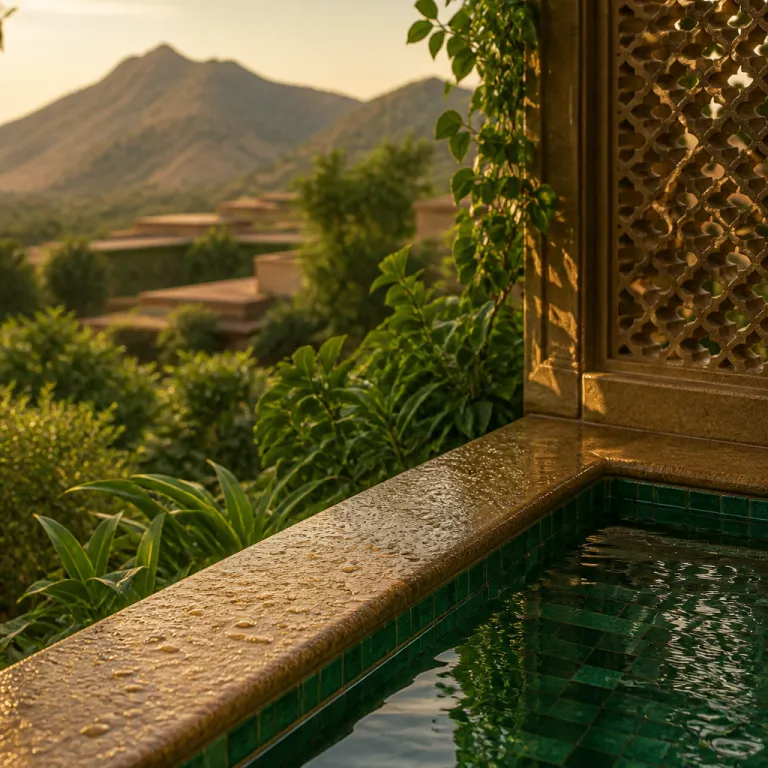
Why Waldorf Astoria Jaipur matters in Rajasthan’s palace-saturated landscape
Rajasthan has never been short on spectacle, yet the Waldorf Astoria Jaipur project signals a different kind of ambition. Where Rambagh Palace and Oberoi Rajvilas lean on inherited grandeur, this forthcoming luxury resort outside Jaipur will be a purpose-built estate that treats the Aravalli Hills as its central design asset. For travellers who know every marble corridor of the Taj and Oberoi hotels, this new address promises a reset rather than a repeat.
The site sits off the Delhi–Jaipur Road on a 22-acre plot, close enough to the city for dinner at Bar Palladio yet far enough that the skyline is all scrub, hills and sky. Hilton, the global hospitality company behind the Waldorf Astoria brand, is using this opening as the sharp tip of its luxury spear in India, with 174 guest rooms and 51 pool villas planned as part of a tightly curated portfolio operating at the top end of the market. In Hilton’s own words from its 2023 development announcement, Waldorf Astoria Jaipur is “expected to open in 2027,” with construction now underway following the signing with local partner Dangayach Group, a hospitality company long active in India’s hotel and resorts sector.
This is not a heritage conversion, and that is precisely the point for Hilton’s India strategy. Instead of retrofitting plumbing into century-old walls, the hospitality company and its Jaipur-based partner can engineer cross-ventilation, privacy and sound insulation from day one, which matters more to sleep quality than any chandelier. For guests comparing palace hotels and contemporary resorts across Rajasthan, the proposition here is modern serenity rather than royal cosplay, a class of comfort that comes from engineering rather than nostalgia.
The 51 pool villas and how to choose your corner of the 22 acre estate
The headline number is simple enough: 51 pool villas, 174 rooms, 22 acres, but the way those figures translate into lived experiences will decide whether this becomes an iconic address or just another entry in the operating pipeline of luxury hotels. Expect the villas to be arranged in low-rise clusters stepping down towards the Aravalli views, with the best units likely to be on the outer ring where no one walks past your plunge pool. For couples who treat a five-star stay as a private retreat rather than a social circuit, the layout should feel more like a discreet resort than a city hotel.
When bookings open, ask specifically about villa orientation and distance to the main hotel spine, because proximity to Peacock Alley and the spa will shape your daily rhythm. A villa closer to the central axis will suit travellers who treat the property as a base between excursions to Amer Fort and Nahargarh, while the outermost villas will appeal to those who want to stay horizontal between breakfast and sundowner. This is where the Waldorf Astoria design philosophy of quiet corridors and layered landscaping, honed across the global portfolio of hotels and resorts, can either shine or fall flat.
If you already curate your itineraries around suites in Udaipur or lake-facing rooms in other Rajasthan resorts, you will recognise the same calculus here, just transposed to a contemporary canvas. For a sense of how much room configuration can change a stay, look at how lake-view suites in Udaipur redefine expectations of luxury in this analysis of under-the-radar palace wings in the city: quiet cuts and overlooked suites in Udaipur luxury hotels. Apply that same forensic eye when you weigh a pool villa against an upper-floor room at Waldorf Astoria Jaipur, because the right choice will turn a good stay into a benchmark.
Architecture, Peacock Alley and how Waldorf translates its brand to astoria india
Every Waldorf Astoria hotel lives or dies by how convincingly it translates the brand’s New York–born glamour into local stone, and Astoria India will be no exception. Expect the architecture at Waldorf Astoria Jaipur to reference Rajput geometry and jaali screens, but filtered through a contemporary lens that keeps lines clean and volumes generous. The risk, as always with international luxury resorts in Rajasthan, is slipping into a theme-park version of heritage rather than a lived-in evolution of it.
Peacock Alley, the signature Waldorf lounge concept, will be the litmus test for how this hotel will feel in daily use. In Manhattan it is a power corridor for martinis and meetings; in Jaipur, Peacock Alley will need to hold afternoon chai, pre-wedding gatherings and late-night negronis for Delhi weekenders driving down the highway. If the team gets the proportions, acoustics and service choreography right, this single space could become the social heart of the property, a place where the brand’s global codes meet the city’s own rhythms.
Hilton’s signing with the Dangayach Group gives the project a local spine, because this hospitality company has spent decades reading North Indian guests and their expectations of class, privacy and spectacle. For a deeper sense of how Rajasthan’s heritage properties have navigated the line between restoration and pastiche, this long-form report on heritage hotels in Rajasthan and the craft that survived is essential homework before you commit to any palace or new build. Against that backdrop, the Jaipur project stands out as a deliberate pivot towards new construction, betting that future travellers will prize air, light and engineered silence over creaking floorboards.
Hilton’s India playbook : from one waldorf to a full luxury portfolio
Zoom out from this single hotel and the pattern becomes clear: Hilton is using Waldorf Astoria Jaipur as the flagship for a broader India luxury push. In its public statements, the global hospitality group has spoken about expanding its high-end brands in the country, with LXR in Bengaluru, Conrad Jaipur and Signia Jaipur forming a cluster that will let loyalists move between different hotels and resorts without leaving the ecosystem. For a traveller who already knows the existing portfolio of Conrad and Hilton-branded properties in India, this feels less like a tentative launch and more like a confident statement of intent.
Behind the scenes, the Hilton development officer responsible for luxury in the region is effectively building a layered portfolio operating across business, leisure and wedding segments, with Waldorf Astoria at the apex. The signing with the Dangayach Group in Jaipur is part of a wider pattern of partnering with strong local owners who understand land, permits and the nuances of North Indian celebrations, which can easily take over an entire hotel. When you read about the operating pipeline of new openings in press releases, this is the context that matters more than the headline numbers.
For guests, the practical upside of this expanding brand footprint is consistency of service and loyalty benefits across multiple cities, from resort-style escapes in leisure destinations to urban hotels in commercial hubs. If you are the kind of traveller who plans a honeymoon in Rajasthan and then a quick Bengaluru work trip, the existing Hilton network of properties will increasingly allow you to stitch together a seamless itinerary under one brand umbrella. The launch moment in Jaipur will therefore be less about a single ribbon cutting and more about how this hotel will anchor a long-term India strategy for Hilton Hotels & Resorts.
Rajasthan’s luxury arms race : Taj, Oberoi, Leela and now Waldorf
Rajasthan’s five-star map is already dense, with Taj’s Rambagh Palace, Oberoi Rajvilas, The Leela Palace Jaipur and ITC Rajputana each staking out their own version of royal theatre. Into this mix, the Waldorf Astoria Jaipur development arrives not as a copy of a palace, but as a counterpoint that leans into contemporary resort language. The question for discerning guests is not whether Jaipur needs another luxury hotel, but whether this one will offer a meaningfully different way to inhabit the city.
Heritage palaces excel at narrative, from the family portraits in the corridors to the courtyards that have seen actual durbars, yet they often struggle with the invisible systems that define modern comfort. A new-build Waldorf Astoria hotel on the outskirts of Jaipur will have the advantage of purpose-designed back of house, discreet service routes and climate-responsive architecture, which can translate into quieter nights and more efficient service. For travellers who have already done the full palace circuit, that trade-off between story and sleep may be worth making.
There is a legitimate concern about saturation, with pipeline hotels across Rajasthan chasing the same wedding and leisure rupee, but demand data from India suggests there is still room at the top if the product is sharp. The existing Hilton luxury brands entering the market are not trying to undercut Taj or Oberoi on nostalgia; instead, they are offering a different class of experiences built around wellness, privacy and global standards of service. In that sense, the Jaipur launch will act as a stress test for whether Rajasthan’s luxury audience is ready to move beyond the palace as default.
Practicalities : getting to Waldorf Astoria Jaipur, best season and how it fits an India itinerary
The location off the Delhi–Jaipur Road means the hotel will sit roughly 30 to 40 minutes from Jaipur International Airport by car, depending on traffic. For Delhi-based guests, the drive down the highway will remain the most flexible option, turning this new luxury resort into an easy long weekend rather than a once-in-a-decade blowout. International travellers can route via Delhi or Mumbai and then connect onwards, folding this stay into a wider India itinerary that might also include Udaipur or the Himalaya.
Weather should shape your booking strategy as much as room category, because Rajasthan’s extremes are not to be underestimated. The sweet spot for enjoying those 51 pool villas and the Aravalli views will be the cooler months, when mornings are crisp enough for fort visits and afternoons warm enough for private pool time without feeling punitive. Shoulder season can work for value hunters, but be realistic about heat if you plan to spend long hours outdoors.
If you are planning a romantic circuit across Jaipur and beyond, it is worth reading this guide to honeymoon hotels in India beyond the obvious palace circuit to see how Waldorf Astoria might fit into a broader mix. A week that combines a few nights at this new-build resort with time in a quieter desert camp or a coastal retreat will feel more layered than a single-city blowout. In the end, what you remember will not be the logo on the keycard, but how intelligently your route stitched together different moods of the country.
How to think about value, service and the future of luxury in India
Price will inevitably be a talking point when Waldorf Astoria Jaipur opens, because this brand does not position itself as a bargain. The question for a seasoned luxury traveller is not whether the nightly rate is high, but whether the hotel will deliver a level of service, privacy and atmosphere that justifies the spend compared with other five-star resorts in Rajasthan. In a market where palace suites already command serious premiums, a new-build Waldorf Astoria in India has to earn its place through precision rather than peacocks.
Hilton’s global hospitality playbook suggests that its luxury leadership in the region will focus heavily on training, with an emphasis on anticipatory service and discreet problem solving rather than showy flourishes. The partnership with the Dangayach Group, a hospitality company with deep roots in North India, should help align international standards with local expectations, from wedding logistics to vegetarian fine dining. If the team can balance that with a sense of place that feels specific to Jaipur rather than generic, Waldorf Astoria Jaipur could set a new benchmark for non-palace luxury in the state.
For now, the project sits in the development pipeline, a promise rather than a place you can book, and details such as final opening date or projected room rates may evolve from the initial 2027 guidance in Hilton’s press materials. India’s luxury audience is growing more confident, more mobile and more demanding, and brands like Waldorf Astoria, Conrad and LXR are adjusting their existing portfolio to meet that shift. The future of luxury here will not be decided by who has the tallest dome, but by who can sustain ten years of quiet, consistent polish.
Key figures and context for Waldorf Astoria Jaipur
- Waldorf Astoria Jaipur is planned on a 22-acre estate off the Delhi–Jaipur Road, giving it significantly more land per key than many city hotels in India (based on Hilton development data shared in 2023).
- The property is expected to offer 174 guest rooms and 51 pool villas, a mix that tilts the hotel towards resort-style stays rather than pure business travel (Hilton project information for India Jaipur).
- The hotel is positioned as Hilton’s first Waldorf Astoria-branded property in India, marking the launch of the Astoria India presence and signalling a broader luxury expansion strategy in the country (as outlined in Hilton Worldwide announcements at the time of signing).
- The location near Jaipur places guests within easy reach of Amer Fort and Nahargarh Fort, two of Rajasthan’s most visited heritage sites, which together attract millions of visitors annually according to state tourism data.
- The signing with Dangayach Group aligns the project with an established Indian hospitality company, reflecting Hilton’s preference for partnering with experienced local groups in its development pipeline across India.
FAQ about Waldorf Astoria Jaipur and luxury travel in Rajasthan
When will Waldorf Astoria Jaipur open for guests ?
According to Hilton’s 2023 project announcement, Waldorf Astoria Jaipur is “expected to open in 2027,” though timelines for large-scale hotels and resorts can shift as construction progresses. The hotel remains under development at the time of writing, so travellers should check directly with Hilton or their travel advisor for updated timelines before planning a stay.
How many rooms and villas will the hotel offer ?
The planned inventory includes 174 guest rooms and 51 pool villas on a 22-acre site, positioning the property as a substantial resort rather than a small city hotel. This mix of keys suggests a strong focus on leisure, weddings and long weekend stays, with enough scale to host large events without overwhelming the grounds.
Where exactly is Waldorf Astoria Jaipur located ?
The hotel site is off the Delhi–Jaipur Road on the outskirts of Jaipur in Rajasthan, India, with the city’s coordinates listed as approximately 26.9° N and 75.8° E. This location offers relatively quick access from Jaipur International Airport while still providing open views towards the Aravalli Hills.
How does Waldorf Astoria Jaipur compare with heritage palaces in Rajasthan ?
Unlike Rambagh Palace or Oberoi Rajvilas, which are rooted in historic architecture, Waldorf Astoria Jaipur is a new-build luxury hotel designed from scratch. Travellers can expect more contemporary layouts, engineered privacy and modern infrastructure, trading some of the romance of old stone for the comfort of purpose-built spaces.
Is there room for another five star hotel in Jaipur’s luxury market ?
Jaipur’s high-end segment is competitive, with Taj, Oberoi, Leela and ITC already present, yet demand from domestic and international travellers has been rising alongside India’s broader tourism growth. Waldorf Astoria Jaipur aims to differentiate itself through its pool-villa-heavy layout, modern design and integration into Hilton’s global luxury portfolio, rather than by imitating existing palace hotels.