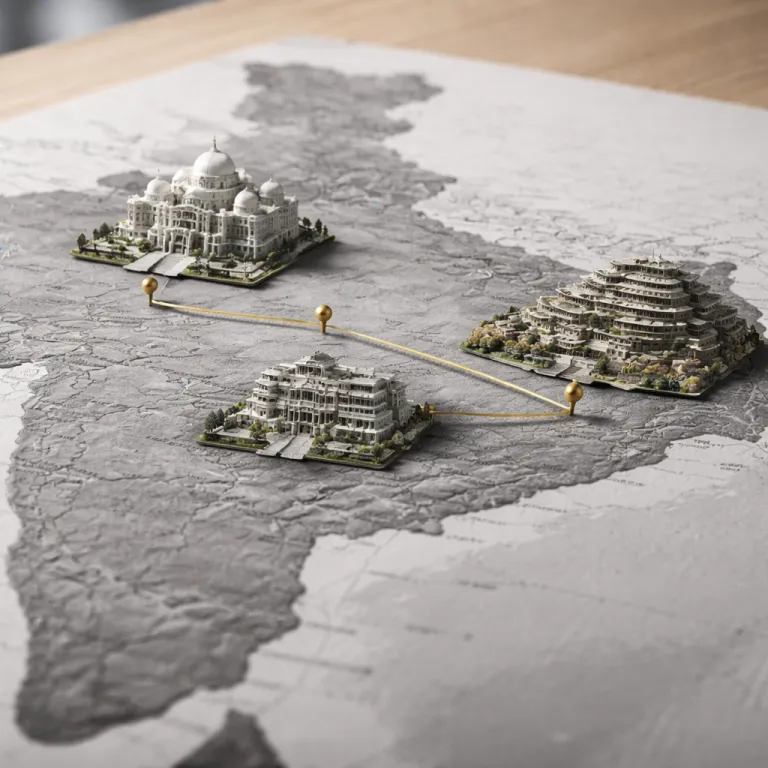
New luxury hotels in India move beyond the usual circuit
New luxury hotels in India are no longer confined to the classic Golden Triangle, and the most interesting new luxury hotels india 2026 story is unfolding in what used to be secondary cities. In Agra, Ayodhya, Sikkim and coastal pockets like Alibaug, each new five star hotel or resort will quietly redraw where affluent Indians choose to book a stay, while international hotel brands race to secure the best land and the most photogenic views. For travellers who already know every marble lobby in Delhi and Mumbai, these hotels india openings signal a shift from obligatory sightseeing to slower, more layered stays.
Fairmont Agra, a 205 key property facing the Yamuna, is the clearest example of how a global brand will feature India specific drama in its design while still feeling like part of a wider Asia Pacific portfolio. The hotel will provide large guest rooms and rooms suites angled towards the river rather than the road, with a resort spa and a swimming pool terrace positioned for sunrise over the Taj rather than sunset cocktails over the city. Expect the public spaces to lean into the Fairmont playbook of a theatrical lobby bar and all day dining venues, but the real test will be whether guests enjoy the service choreography as much as the views.
Ayodhya is moving even faster, with Taj Ayodhya planned as a 300 key hotel plus 29 villas that will offer a very different kind of pilgrimage stay. This is not a quiet retreat spa on a distant beach ; it is a large scale city property designed to handle peak festival crowds while still promising a luxury experience to families and small groups who book stay packages months in advance. For this audience, the value is not only in the rooms but in how the hotel will provide secure transfers, calm day dining spaces between temple visits and a spa that can reset you after twelve hours in the sun.
How Fairmont, Taj and Leela are rewriting the five star script
Put Fairmont Agra and Taj Ayodhya side by side and the contrast explains the new luxury hotels india 2026 dynamic better than any press release. Fairmont arrives as a global luxury brand that will feature its familiar mix of destination bar, polished rooms suites and a resort spa aesthetic, while Taj leans into its reputation for handling complex Indian ceremonies, high security events and multi generational travel with almost invisible ease. Both hotels will offer a spa, a swimming pool and multiple dining venues, but the way guests enjoy them will differ sharply between a Yamuna facing resort and a pilgrimage city flagship.
Further east, The Leela Palace Sikkim, with 140 keys and an attached casino, pushes the idea of a Himalayan resort into more urban territory. This is not a remote mountain retreat spa ; it is a hybrid city resort where the hotel will provide both quiet guest rooms for long stays and high energy public spaces that feel closer to Macau than to old school hill stations. For travellers tracking new luxury hotels india 2026, the Leela move signals confidence that domestic demand can sustain a year round luxury resort spa with serious gaming, not just a mid season escape for Delhi and Kolkata.
Behind these headline properties sits a broader wave of hotel brands expanding across hotels india, with Radisson Hotel Group announcing 11 new hotels, Wyndham Hotels & Resorts targeting 150 hotels and Hilton planning to double its luxury portfolio while launching new hotels monthly in the early part of the cycle. Hilton in particular is positioning its hotels resorts strategy to capture both business and leisure demand, using India as a key growth engine within the wider Asia Pacific region. For readers who care about how a property will age, this density of openings means more competition for talent now but also a deeper bench of trained équipes and, over time, more award winning restaurants and bars that can stand alone in the city dining scene.
For a sense of how food and beverage now often outranks the room as a decision driver, see how some five star addresses have turned their signature restaurant into the main reason to book, a shift analysed in detail in this piece on restaurants overtaking hotels in guest perception. The same pattern will likely play out in Agra and Ayodhya, where a strong day dining concept or a late night bar can anchor the property in the local social calendar beyond tourist flows. In Sikkim, expect the casino, the main restaurant and the bar to work together as a single ecosystem rather than separate venues, especially on weekends when the city crowd arrives for short, high intensity stays.
For travellers who split their time between leisure and work, the way these new hotels handle business travel will matter as much as their resort credentials. Lessons from established urban properties that already elevate every work trip, such as those profiled in this deep dive into a full scale hotel rethink, are quietly informing how meeting rooms, co working lounges and executive floors are being specified in the new builds. The best of the new luxury hotels india 2026 pipeline will offer guest rooms that can flip from Zoom ready offices by day to calm sanctuaries by night, with a spa and restaurant program that recognises how often business and leisure now blur.
What this means for pricing, loyalty and where to book next
The surge of new luxury hotels india 2026 openings is already reshaping rate dynamics in established leisure markets. As more hotels resorts come online in Agra, Ayodhya and Sikkim, pressure will build on Jaipur and Udaipur rack rates, especially in the mid week and shoulder seasons when domestic demand can choose between a palace stay and a newer resort with sharper pricing. For frequent travellers, this is the moment to watch how each hotel will offer value beyond the room, whether through more generous spa inclusions, airport transfers or access to local experiences that feel less scripted.
Operators are explicit about the scale of this shift, with one industry summary noting that “Radisson, Hilton, and Wyndham are expanding.” and another stating that “Increased tourism revenue and job creation.” will follow as these pipelines materialise. HVS expects India to lead the Asia Pacific region in new hotel opening volumes, which means more choice of hotel brands for the same long weekend and more leverage for guests who book stay dates early rather than at the last minute. For loyalty members, the expansion of Hilton and Wyndham in particular will provide new ways to earn and burn points without defaulting to the same city every time.
There is also a quieter geographic story running in parallel, as Indian travellers who once flew to Dubai or saudi arabia for a quick resort spa break now find comparable hardware closer to home. A well designed Indian resort with a serious swimming pool, a compact golf course or even a full championship golf layout can now compete with international hotels resorts on both price and access, especially for families who prefer shorter flights. For those planning their next five star stay, the smartest move is to map out where the new luxury hotels india 2026 pipeline overlaps with your own calendar, then use independent reviews such as this guide to five star hotels that elevate business travel to judge whether the property’s rooms, spa and restaurant program match your style rather than just chasing the newest opening.
Key figures shaping India’s new luxury hotel wave
- Radisson Hotel Group has announced 11 additional hotels in India, signalling confidence in sustained luxury and upper upscale demand.
- Hilton plans to double its luxury portfolio in the country, using monthly hotel launches in the early phase of the cycle to build scale quickly.
- Wyndham Hotels & Resorts is targeting a total of 150 hotels in India, with a strong focus on tier one cities and high visibility locations.
Essential questions for travellers watching new luxury hotels in India
Which luxury hotel chains are expanding in India by the middle of the decade ?
Radisson, Hilton and Wyndham are all in active expansion mode across India, each using a mix of new builds and partnerships with local developers. For a traveller choosing between hotel brands, this means more consistency of experience across multiple cities and a wider choice of loyalty earning options. It also means that the gap between traditional gateway cities and emerging destinations like Agra, Ayodhya and Sikkim will narrow quickly in terms of available luxury inventory.
What is the expected impact of these new luxury hotels on travellers and destinations ?
The expected impact of the new luxury hotels is twofold, with destinations gaining increased tourism revenue and job creation while travellers gain more choice and, in some cases, better value. As more properties open in the same city, competition tends to lift service standards and diversify restaurant and bar offerings, which directly benefits frequent guests. Over time, this can also encourage local governments to invest in better infrastructure around key hotel clusters, from improved roads to upgraded airports.
Where are the new luxury hotels being developed within India’s changing map of travel ?
The new luxury hotels are being developed across various tier one cities and fast rising leisure destinations, rather than only in the traditional metro hubs. Agra, Ayodhya and Sikkim sit alongside established centres like Delhi, Mumbai and Bengaluru in current development pipelines, while coastal and hill regions are seeing renewed interest from resort operators. For travellers, this means that a long weekend can now include a serious spa, strong dining venues and polished service without defaulting to the same over familiar palace hotel circuit.