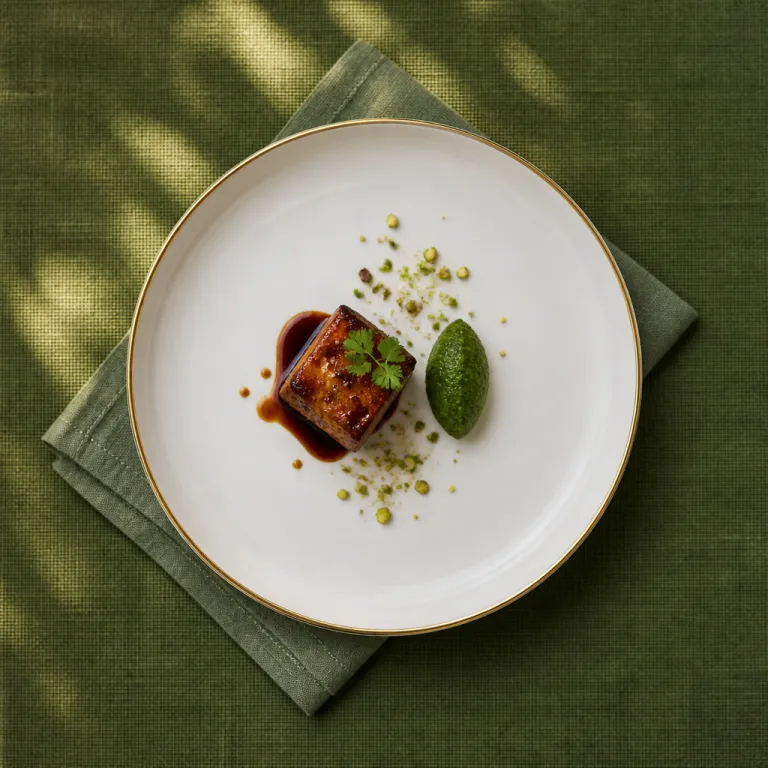
The fine dining luxury hotel casual trend 2026, without the stiffness
The fine dining luxury hotel casual trend 2026 is not about sneakers under chandeliers, it is about a quieter shift in power at the table. In the best luxury hospitality addresses from Mumbai to New York, the maître d’ now reads the guest more carefully than the dress code, and that single adjustment has transformed the entire dining experience in five star hotels. You still get fine porcelain on every plate and a high level service, but the room finally feels like it belongs to the guests rather than to the rule book.
Industry surveys now suggest that roughly three quarters of serious restaurants have relaxed or removed formal dress codes, and that statistic explains why you see linen shirts and silk kurtas where tuxedos once stood guard. One expert summary puts it plainly ; “Many establishments have relaxed dress codes to accommodate modern preferences.” The fine dining luxury hotel casual trend 2026 is simply the hospitality side of that same cultural report, and five star restaurants operate differently because their guests expect to feel at ease before the first course is served.
For you as a traveller, this means the first ten seconds with the host tell you more than the Michelin plaque on the wall. Listen to the tone of the greeting, watch whether the staff offer to adapt the service pace to your evening, and notice if the chef is visible in an open kitchen rather than hidden behind a swing door. The hotels that understand better hospitality now design their main restaurant as a destination for both in house guests and locals, so the energy in the room feels closer to a favourite city restaurant than a hushed lobby annex.
From silver cloches to open kitchens: how chefs reclaimed the room
The most striking element of the fine dining luxury hotel casual trend 2026 is how chefs have stepped out of the kitchen and into the narrative of the meal. In leading restaurants in Mumbai, Delhi, London and New York, you will often see the executive chefs plating the final garnish at a chef’s table or explaining a plant based course directly to the guest, rather than sending a scripted message through the waitstaff. As one industry answer frames it with disarming clarity ; “Why are chefs interacting more with diners? To create a personal connection and enhance the dining experience.”
Open kitchens, chef led stations and tasting counters have become the theatre of modern luxury hospitality, replacing the old choreography of French service with something more conversational. The fine dining luxury hotel casual trend 2026 favours fewer elements on the plate, lighter food and a sense that the person who cooked your meal is close enough to answer a question about the farm, the spice or the year of the vintage. When you book a five star hotel now, ask whether the flagship restaurant offers a chef’s counter or an interactive menu, because those formats usually signal a more confident, less scripted guest experience.
In India, you see this clearly in monsoon focused menus where chefs adjust courses week by week, and some of the most interesting examples are mapped in this guide to Indian hotel restaurants that change their menus with the rain. The same pattern appears in san francisco and Los Angeles, where restaurant trends lean towards seasonal tasting menus that can be edited overnight without reprinting a leather bound tome. When chefs serve you directly, the distance between kitchen and table collapses, and the dining experience becomes less about performance and more about a shared project between host and guest.
High low luxury: why the best plates now play with contrast
Look closely at the plates in the most interesting hotel restaurants and you will notice a new grammar of luxury. The fine dining luxury hotel casual trend 2026 is defined by high low contrast ; a single perfect scallop next to a smoky lentil, caviar on a crisp dosa, a plant based course that feels as indulgent as a classic butter laden sauce. Chefs in New York, san francisco and Los Angeles are leading this shift, but the same sensibility is now visible in Goa, Jaipur and the Maldives.
Instead of piling technique on technique, the best restaurants use fewer ingredients and let the service, pacing and context carry the sense of occasion. This is where hospitality trends intersect with restaurant trends, because the room, the music and even the way restaurants operate their social media channels now shape how guests experience luxury. A sharp photo of a single plate on Instagram can say more about a hotel’s culinary ambition than a long report in a trade magazine, and the fine dining luxury hotel casual trend 2026 rewards properties that understand this visual language without becoming slaves to it.
For the traveller choosing between two five star hotels, the question is simple ; does the restaurant feel like a place you would cross town for, or just a convenient in house option. The most useful analysis of this shift is captured in this piece on when the restaurant outranks the hotel, which argues that food and beverage now define the identity of many properties more than the rooms. When the dining room has its own following, the guest experience in the rest of the hotel usually benefits, because the entire équipe is trained to operate at that higher, more attentive level service.
Warmth, not worship: how service codes quietly changed
The old model of French service in luxury hotels treated the guest almost like a museum visitor, expected to admire the choreography from a polite distance. The fine dining luxury hotel casual trend 2026 has inverted that relationship, so guests expect warmth, humour and a certain lightness from the team, even when the food is serious and the wine list runs to several hundred labels. The most successful rooms now train their staff to read cultural nuance, whether the guest is a young couple from Bengaluru or a multi generational family from york or Dubai.
Instead of reciting every element on the plate, servers are encouraged to edit, to ask what kind of evening you want and to adjust the pacing accordingly. This is where better hospitality shows itself ; in the way a waiter notices that you are left handed and quietly moves the bread plate, or how the sommelier offers a half glass pairing when you mention an early golf tee time. The fine dining luxury hotel casual trend 2026 is not about lowering standards, it is about raising emotional intelligence so that the guest experience feels tailored rather than templated.
Behind the scenes, serious properties now treat their cookie policy and privacy policy as part of the same trust equation as their wine storage and food safety, because digital discretion matters as much as table side discretion. You will rarely see this discussed in glossy brochures, but the hotels that handle your data with care usually handle your allergies and preferences with the same rigour. In the end, hospitality is a single promise ; that you will be looked after, whether the question is how your steak is cooked or how your contact details are stored.
How to read a five star dining room in ten minutes
When you walk into a luxury hotel restaurant now, you can decode its priorities quickly if you know where to look. Start with the greeting at the door, because the first ten seconds of service will tell you whether the fine dining luxury hotel casual trend 2026 has been understood as a philosophy or just as a relaxed dress code. If the host offers to take your shawl, asks about your seating preference and checks any dietary notes without fuss, you are in a room that takes guest experience seriously.
Next, scan the menu and the room together ; are there plant based options that feel as considered as the meat and seafood, and do you see a mix of hotel guests and locals at the tables. Restaurants that win james beard or beard award recognition in cities like New York and san francisco tend to show this balance, and the same pattern is emerging in Indian luxury hospitality where chefs chase global standards without losing regional character. You do not need a formal report to sense this, just watch how the team serve a solo business traveller at the counter and a family celebrating an anniversary at the window.
Finally, look for signs that the restaurant is part of a larger, coherent vision for the property rather than an isolated jewel. Fashion linked hotels, mapped in this analysis of the fashion to hotel pipeline, often use their restaurants to express the brand’s point of view on food, design and service. In such places, the fine dining luxury hotel casual trend 2026 becomes a way to align the lobby scent, the bar playlist and the tasting menu into a single, quietly persuasive story about how guests should feel from check in to the last plate of petits fours.
FAQ
Are formal dress codes still common in luxury hotel restaurants ?
Many high end restaurants in five star hotels have relaxed their dress codes, especially those aligned with the fine dining luxury hotel casual trend 2026. Jackets and ties are rarely mandatory, but smart casual remains the norm, so polished shoes and well cut clothing still matter. It is always wise to check the specific restaurant policy before you book, particularly in more traditional city hotels.
Why are chefs more visible in hotel dining rooms now ?
Chefs have moved closer to the guest because interaction is now considered part of the core dining experience in luxury hospitality. Open kitchens, chef’s counters and table side explanations help create a personal connection that many guests expect from serious restaurants. This visibility also allows chefs to gauge reactions in real time and adjust menus, pacing and even portion sizes across the year.
How can I tell if a hotel restaurant takes service seriously ?
Watch the first minutes of contact ; a strong team will confirm your name, note any allergies and offer water within moments of seating. The level service is also clear in small gestures, such as resetting cutlery between courses without fuss and timing dishes so that the table eats together. If the staff handle a mistake gracefully, you are likely in a place that understands better hospitality.
Do top hotel restaurants cater well to plant based diners ?
The fine dining luxury hotel casual trend 2026 has pushed many chefs to treat plant based courses as central rather than secondary. In serious restaurants, you should expect multi course menus where vegetables, grains and legumes receive the same attention as meat or seafood. If the plant based options are limited to one token salad or pasta, the restaurant is not yet aligned with current dining trends.
What role do awards like the James Beard Foundation play for hotel restaurants ?
While Michelin stars remain influential, recognition from organisations linked to the James Beard Foundation and similar bodies signals that a restaurant is engaged with broader restaurant trends and community standards. A beard award or nomination often reflects not just technical skill but also leadership in sustainability, diversity and guest experience. For travellers, such awards can be a useful filter, but the feel of the room and the warmth of the service should still guide the final choice.