Monsoon dining in India’s grand hotels
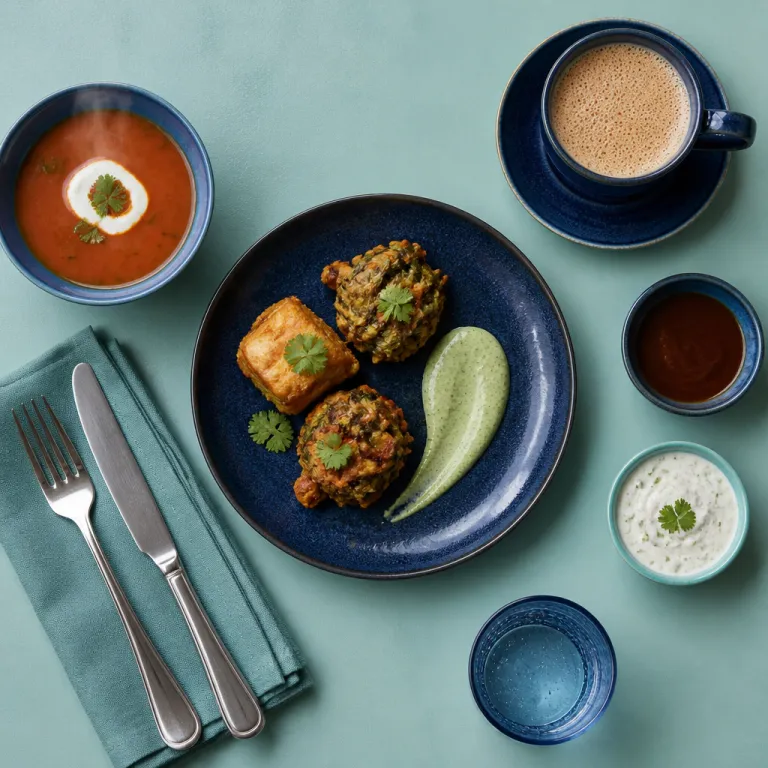
Monsoon plates in India are not a trend piece; they are a quiet seasonal ritual in the country’s most serious luxury hotels. The best five star hotel restaurants treat the first heavy shower as a green light to rewrite menus, pulling in kokum, raw mango, fresh turmeric and amaranth from a supply chain that suddenly looks lush rather than lean. In the right property, the dining experience becomes a way to read the weather, not just escape it.
Across hotels in India, chefs now plan a monsoon pantry with almost the same precision as a wine list, building dishes around bhutta, tendli, drumstick and green chillies that behave differently in humid air. In Mumbai and along the Arabian Sea coast, you will see kokum based broths and light fish curries that feel made for evenings overlooking Arabian grey water, while in north Indian cities the same season leans into slow cooked gravies and crisp pakoras. This is where India’s luxury hotel dining rooms quietly offer their best versions of comfort food, without shouting about it on a site map or in investor relations decks.
Three names prove the point with data rather than adjectives: Novotel Goa Panjim, Taj Agra and Shangri La's Eros Hotel in Delhi NCR all run dedicated monsoon menus built around seasonal ingredients and traditional Indian snacks. A 2023 Novotel Goa Panjim release on its official news page notes that “Hotels introduce special monsoon menus” and highlights plates such as Watermelon Gazpacho, Jamun Chaat Tart and spiced corn bhel, while Taj Agra’s seasonal card lists chaats, kebabs and regional thalis, which tells you how far the genre has moved beyond soggy pakoras. As one Delhi based F&B director puts it, “If our menus don’t change with the first real rain, guests assume we are not paying attention to the city,” and for a traveller who values travel leisure as much as thread count, these are the best places to start reading how serious a hotel is about local traditions.
From palace views to city glass : where rain shapes the table
Some of the most compelling rainy season hotel restaurants are not in obvious food cities but in palace facing resorts where the view is half the meal. At Oberoi Amarvilas in Agra, the main restaurant frames the Taj Mahal through rain streaked glass, turning a simple north Indian thali into theatre as lightning sketches the marble; in Udaipur, lakeside hotels and former palace estates use candlelight and low level live music to make the downpour feel like part of the choreography. When the rain is heavy, you understand why the best restaurants in these hotels are designed as long verandas and colonnades rather than sealed boxes.
In Mumbai, Taj Mahal Palace has long treated the monsoon as a menu prompt, especially in its Indian restaurants where kokum, fresh turmeric and regional flavours from the Konkan coast appear in limited run curries. The same city now has newer luxury hotels whose restaurants lean into the season with charred corn chaat, jamun desserts and spiced broths that feel almost medicinal after a wet commute, and this is where a careful read of any serious guide to Indian hotel dining pays off. For a deeper sense of how food and beverage can outrank the room itself, the analysis of restaurant led luxury at this piece on when the restaurant outranks the hotel is essential context before you book.
Delhi NCR plays a different game, with Shangri La's Eros Hotel positioning Mister Chai as a monsoon refuge built around elevated street snacks and strong tea, while Taj Agra uses its seasonal menu to connect guests to Mughal culinary heritage through lighter gravies and grilled meats. These Indian luxury properties understand that a monsoon dining experience is not only about hot food but about pacing, service choreography and how quickly a table is reset when a guest walks in dripping from the porte cochère. If you care about slow travel and lingering dinners as much as efficiency, you will notice how the best places manage to offer top views, standout restaurants and attentive service without ever making the rain feel like an operational problem.
South versus North : regional flavours in the rain
Head south and the story of monsoon dining in India’s grand hotels changes texture, because the rains arrive differently in Chennai, Bengaluru and along the Arabian Sea. At ITC Grand Chola in Chennai, the South Indian monsoon table leans into fermented batters, pepper heavy rasam and rice based comfort food that respects local traditions while still feeling hotel polished. In Bengaluru, business heavy hotels use the season to soften their edges, adding live music in lobby lounges and pushing regional flavours from Karnataka into menus that might otherwise read like generic international food.
On the western coast, Novotel Goa Panjim has built a reputation for monsoon themed dining experiences that sit somewhere between resort casual and serious Indian cuisine, with menus that change through Jul as ingredients shift. Here, overlooking Arabian skies rather than a flat blue sea, you will often find chefs playing with corn, kokum and raw mango in both savoury and sweet plates, making the dining experience feel rooted in place rather than in a global template. This is monsoon season hotel dining at its most confident, using authentic fare and regional flavours to remind guests that Goa is more than a winter beach cliché.
Bar culture is evolving in parallel, and the most forward looking hotels are rethinking their lounges for the rainy season with zero proof pairings, listening led spaces and a focus on comfort over spectacle. For a sense of how the five star bar is being reinvented, the analysis of new listening lounges and alcohol free programs at this deep dive on hotel bars is a useful companion read before you choose where to stay. In both north Indian and southern cities, the hotels that handle monsoon best are those that treat food, drink and sound as one continuous experience rather than separate departments on a site map or in investor relations presentations.
How to book for the rains : a practical guide
For a traveller choosing between India’s monsoon focused luxury hotel restaurants, timing and room category matter almost as much as the chef. Aim for stays between late Jun and early Sep, when hotels in India typically roll out seasonal menus and when rates in many city hotels soften enough to make suites with better dining views realistic. Industry data from hotel consultancies suggests that average daily rates in major Indian cities can dip by 10–20% in the wettest weeks, which means more attentive service, quieter restaurants and a dining experience that feels almost private, especially on weeknights.
When you book, read the fine print of seasonal offers and ask directly about monsoon menus, because serious properties will have a clear plan for how their restaurants change with the weather. Some hotels now issue dining focused gift cards that can be used across multiple restaurants in the same group, which is useful if you are splitting time between a palace style resort and a city hotel in the same chain. If you care about culinary heritage, ask whether the hotel is working with local farmers or culinary experts during the season, since that usually signals a more thoughtful approach to regional flavours and to the broader food supply chain.
Finally, choose hotels where the rain view is part of the architecture, whether that is a grand colonnade in Agra, a glass walled lounge in Bengaluru or a sea facing restaurant overlooking Arabian grey water in Mumbai. These are the best places to feel how monsoon dining in India’s luxury hotels can turn bad weather into theatre, especially when paired with live music and a menu that respects local traditions. For a broader sense of how lifestyle luxury is evolving in Indian cities, the analysis of new urban hotels at this piece on Mumbai’s latest openings helps frame which brands are most likely to take the rains seriously.
FAQ
Which five star hotels in India currently offer dedicated monsoon menus ?
Recent seasonal programs highlight Novotel Goa Panjim, Taj Agra and Shangri La's Eros Hotel in Delhi NCR as hotels that formally introduce monsoon menus built around seasonal ingredients and traditional Indian snacks. These properties sit alongside long standing players such as Taj Mahal Palace Mumbai and ITC Grand Chola Chennai, which also adapt their Indian restaurants during the rains. Always check hotel websites or call the restaurant directly, because exact dishes and dates shift each year between Jun and Sep.
What kind of dishes should I expect in a monsoon focused hotel restaurant ?
Expect elevated versions of classic Indian comfort food such as bhutta, pakoras, chaat and light curries built around kokum, raw mango, fresh turmeric and green chillies. Some hotels now add contemporary plates like Watermelon Gazpacho and Jamun Chaat Tart alongside regional thalis that showcase local traditions from north Indian and southern kitchens. The best restaurants balance authentic fare with hotel level polish, so you get both culinary heritage and precise technique on the same table.
Is monsoon a good time for luxury travel and dining in Indian cities ?
For many travellers, monsoon is actually the best time to experience luxury hotels in Mumbai, Delhi NCR, Chennai or Bengaluru because occupancy is lower and service feels more attentive. Rates often soften, which makes higher room categories and better restaurant views more accessible, especially for guests who value travel leisure and long dinners. If you enjoy dramatic weather, rain streaked glass and quieter dining rooms, the season can be more appealing than peak winter.
How can I check whether a hotel restaurant really changes its menu for the rains ?
The most reliable approach is to read the current seasonal menus on the hotel website and then call or email the restaurant to confirm monsoon specific dishes. Serious luxury hotels in India will be able to describe which ingredients or plates are available only between Jun and Sep, and may share a short guide to their monsoon dining experience. If the team cannot explain how the menu changes with the season, you are probably looking at a token promotion rather than a thoughtful program.
Do monsoon menus focus only on vegetarian food or also include seafood and meat ?
Monsoon menus in Indian luxury hotels usually feature a strong vegetarian core built around corn, greens and lentils, but they rarely stop there. Coastal hotels overlooking Arabian waters often serve carefully sourced seafood in lighter gravies, while north Indian and palace style properties lean into grilled meats and slow cooked kebabs that suit cooler evenings. The unifying thread is seasonality rather than a strict rule about meat, so you can expect a broad range of options at most five star restaurants.