Why luxury hotel signature suites 2026 are built for quiet confidence
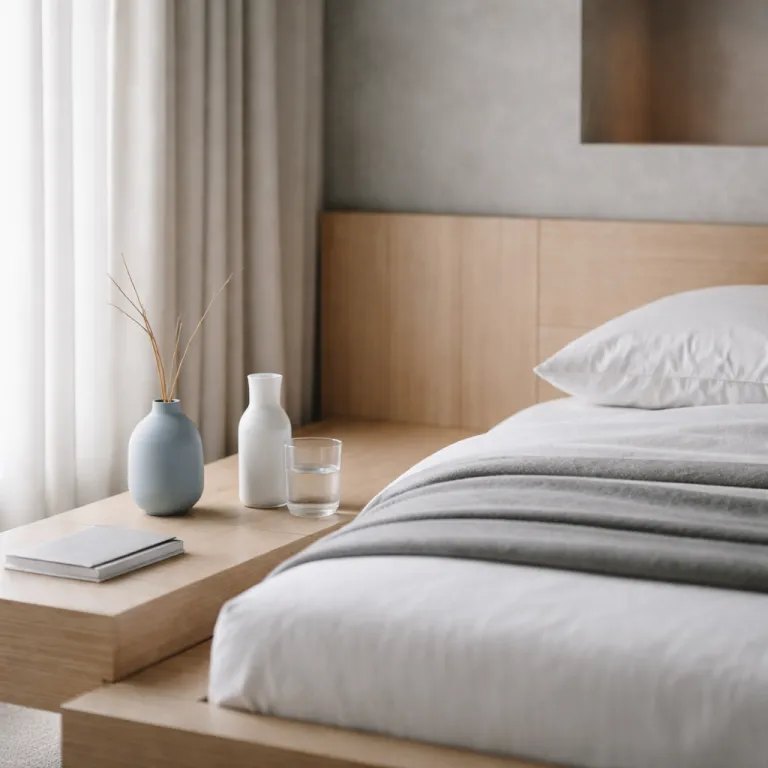
Walk into a genuinely high-end suite in 2026 and your shoulders drop before your suitcase does. The best luxury hotel signature suites feel residential rather than theatrical, with a living area that breathes, generous negative space, and an immediate sense that every room has been edited rather than stuffed. In top-tier properties, the first three minutes in a suite tell you if the design is for mass appeal or for people who actually live in beautiful homes.
Pause just inside the door and scan the proportions of the suite and its living room, then look at how the furniture sits in relation to the view rather than the television. Flagship suites that work in Paris, York or Los Angeles align the sofa and dining table to the city or ocean, so the outlook becomes the quiet artwork and the television retreats into cabinetry. When a luxury suite pushes the bed against a wall to squeeze in more pieces, you learn instantly that the hotel prioritises brochure photography over lived experience.
Next, listen; acoustic design is the most underrated signal of a considered room in any resort or city hotel. You should hear a soft hush, not the lift motor, corridor chatter or nightclub bass from the bar two floors below, because proper insulation and double glazing are non-negotiable in serious signature suites. Industry benchmarks such as STC 55+ for walls and modern low-E glazing are now common in new-build luxury hotels, and if you can follow your neighbour’s phone call or the clatter of housekeeping staff in the service corridor, the exquisite design on the surface is compensating for a lack of investment where it matters.
The bathroom and dressing area as the honest luxury tell
In contemporary luxury hotel signature suites 2026, the bathroom and dressing zone reveal more than the living room ever will. Marble that looks calm and confident has large slabs with minimal veining, aligned joints and discreet hardware, while marble that compensates is chopped into busy tiles, over-lit and paired with shiny chrome that photographs well but feels harsh at 6 am. A genuinely luxurious suite bathroom lets you move in a straight line from shower to vanity to dressing area without a choreography lesson.
Look at the vanity lighting; if the mirror throws multiple shadows on your face, the design is for Instagram, not for real travel mornings. The best hotels in Paris, York or at a tropical resort now use warm, even vertical lighting, a magnifying mirror at eye level and storage that hides every amenity, so the room stays serene even when your products explode across the counter. When you see an over-lit vanity, visible storage and a tangle of cables for hair tools with limited support for international plugs and voltages, you know the priorities are misplaced.
Closet and dressing spaces are the most honest luxury cue in any hotel, because they are hard to photograph yet crucial to daily living. In a serious luxury suite, hangers are plentiful and uniform, there is a bench for packing, drawers glide silently, and the safe fits a laptop without Tetris. If the suite offers only a shallow wardrobe squeezed behind the room door, with no full-length mirror and nowhere to lay out clothes, the staff may be charming but the design team has not stayed here for more than one night.
Three signature suites that understand restraint
Aman Tokyo’s Corner Suite is the quiet manifesto for luxury hotel signature suites 2026, even if it was conceived earlier. Step in and you meet shoji-inspired screens, pale timber, a soaking tub by the window and a living area that orients you to the city’s endless view rather than to a gadget. The suite feels like a high-altitude residence, where the exquisite design is in the thickness of the doors, the softness of the tatami-toned rugs and the way the staff glide in and out without disturbing the air.
In Rome, the Bulgari Hotel’s signature suites show how a city hotel can be opulent yet edited, with jewel-toned fabrics, serious art and a layout that separates entertaining from sleeping. The living room opens to terraces where the outlook takes in terracotta roofs rather than traffic, and the bedroom closes off completely, so late-night scrolling does not flood the space with blue light. Here, the luxury is in the way the suite allows you to host friends for an aperitivo without exposing your unpacked luggage or your skincare line-up.
At The Oberoi Udaivilas, the Premier Room with private pool is technically a room category, yet it behaves like a compact resort suite. You step from a shaded living area straight into your plunge pool, with the lake beyond, and the design keeps every functional element tucked away so the place reads as water, sky and carved stone. It is a reminder that modern signature suites do not need chandeliers; they need a clear idea of how you will actually live, swim, dine and sleep across a long weekend.
Global benchmarks and how to read them from your sofa
Before you book, you can learn a surprising amount about luxury hotel signature suites 2026 from your laptop, if you know where to look. Start with the floor plan on the hotel website; a good suite shows logical flow from entrance to living room to bedroom to bathroom, with doors where you need acoustic privacy and no awkward dead corners. If the plan looks like a maze, the suite is probably a stitched-together set of old rooms, and no amount of exquisite design will fix the underlying bones.
Then study the photography as if you were editing a magazine spread, not liking a social media post. In New York, The Ritz-Carlton New York, Central Park publishes clear images of its signature suites that show window heights, seating depths and how the view frames the park, while The Winslow Hotel in York uses imagery that highlights residential scale rather than lobby drama. On the West Coast, The West Hollywood EDITION and Waldorf Astoria Beverly Hills in Los Angeles both present suites where the terrace, not the television, is the hero, signalling that outdoor living is part of the core experience.
Resort specialists like The Kahala Hotel & Resort in Honolulu and Hotel Bristol in Warsaw demonstrate another point; the best hotels are confident enough to show daylight, clutter and real textures in their suite photography. When you see only blue-hour shots with every lamp blazing, ask yourself what the room feels like at noon with curtains open. For deeper context on how serious properties think about wellness and place, long-form reporting on Ayurvedic programmes in Kerala and similar destinations often reveals more than any brochure, especially when it treats a spa not as a menu item but as an integrated way of living.
The suite you should politely decline
Some luxury hotel signature suites 2026 will still confuse opulence with object count, and those are the ones you should avoid. If your first impression is a forest of cushions, shiny surfaces and a coffee table crowded with branded books, the suite is performing luxury rather than offering it, and you will spend your stay moving things out of the way. True comfort in hotels comes from negative space, intuitive light switches and a place for everything, not from another gold accent.
Watch for visible storage, especially in the living area, where open shelves reveal extra bedding, cleaning equipment or room service trays waiting to be collected. An over-lit vanity that flattens your face, a bed facing a wall-mounted television with no view, and a balcony that feels like an afterthought are all signs that the outlook was never the priority. When a hotel leans on technology without intuitive controls or cross-device compatibility for its in-room systems, forcing you to call staff just to dim the lights, the luxury suite becomes a tutorial rather than a refuge.
The suite you want is the one where you can arrive from a long-haul travel day, drop your bags, shower, unpack and sit down with a drink in under fifteen minutes without thinking about it. That ease is the product of years of iteration by an attentive équipe, not a single design presentation, and it shows in the way doors close softly, fabrics age gracefully and staff remember how you like your coffee. In the end, the best signature suites are not about the thread count, but about the tenth year of polish.
FAQ
What defines a signature suite in a luxury hotel ?
In the luxury segment, a signature suite is a room or set of rooms with unique design, enhanced privacy and tailored services that go beyond standard categories. Industry guidance from brands such as Marriott Luxury and Mandarin Oriental is clear on this point; “What defines a signature suite? Unique design, exclusive amenities, and personalized service.” When you see a named suite with a coherent layout, strong sense of place and staff empowered to personalise your stay, you are usually in the right territory.
How should I evaluate a signature suite before booking ?
Always start with the floor plan, then move to unfiltered photos and guest reviews that mention noise, light and storage. Look for information on suite size in square metres, bathroom layout, closet space and whether the view is genuinely open or partially blocked. According to STR and similar hotel analytics firms, top luxury suites often start around 70–80 square metres, so anything significantly smaller should justify itself with exceptional design. When in doubt, email the hotel directly with specific questions about the suite, rather than relying only on online travel agencies.
Are signature suites worth the higher nightly rate ?
For travellers who value space, privacy and a tailored experience, the premium can be justified, especially on milestone trips. Industry data from luxury-focused reports regularly shows that average signature suite sizes are substantially larger than standard rooms, and that occupancy for these categories can exceed 70% in key urban markets, which indicates sustained demand from discerning guests. If you will actually use the living area for work, entertaining or quiet time, the cost per hour of comfort often makes sense.
What are the first things to check when I walk into a suite ?
Within the first three minutes, test acoustic insulation, check how natural light falls across the living and sleeping areas, and open the closets to see if they can handle real luggage. Then step into the bathroom to assess lighting, water pressure and how easily you can move between shower, vanity and dressing space. These quick checks reveal more about the true level of luxury than any welcome amenity.
How do technology and sustainability fit into modern signature suites ?
Leading hotels now integrate smart controls for lighting, temperature and curtains, but the systems should be intuitive and offer broad compatibility with your devices. Sustainability shows up in efficient glazing, responsible materials and subtle energy-saving features that do not compromise comfort. When technology and eco measures fade into the background of your experience, the suite is doing its job.
