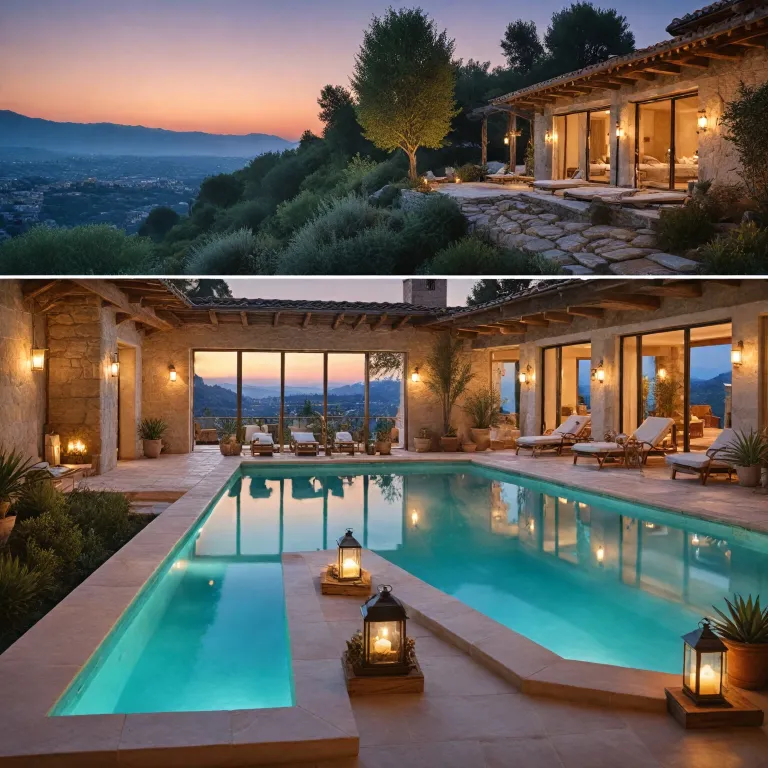
How to recognise the best five star spa hotels in Europe
The best five star spa hotels in Europe balance architecture, service, and wellness with rare precision. Guests expect a hotel where every interaction feels intuitive, from the first click on the website to the final farewell at reception. In this level of hotels, the spa becomes a sanctuary rather than a simple amenity.
Across Europe, travellers compare stars, spa facilities, and resort settings with increasing sophistication. They look for transparent website details, clear descriptions of treatments, and photographs that match reality when they arrive at the spa resort. A serious five star spa hotel will also publish information about therapists, wellness philosophies, and how long each ritual lasts.
For many readers, the deep subject is how to separate marketing promises from genuine excellence. True resort stars are defined by consistency in service, immaculate maintenance, and a wellness culture that extends beyond the spa to every plate and pillow. When you evaluate hotels, pay attention to how staff explain details, add thoughtful touches, and respond to special requests.
Another marker of quality is how a property integrates its surroundings into its wellness story. In alpine regions such as Tyrol in Austria or Bavaria in Germany, the best five star spa hotels in Europe use mountain air, thermal waters, and forest views as natural extensions of the spa. Coastal retreats in Italy or along the French Riviera may focus on marine treatments, sea minerals, and open air relaxation decks.
Finally, examine how each hotel manages digital contact points. A refined spa resort will have an austria website, an italy website, or a germany website that is easy to navigate, with secure booking and clear policies. These website details show how seriously a property treats your time, your privacy, and your overall wellness journey.
Signature European spa destinations and what sets them apart
Several addresses consistently appear among the best five star spa hotels in Europe for demanding guests. La Mamounia in Marrakesh is technically outside Europe, yet it often features in the same conversations thanks to its palace style hotel ambience and legendary spa. With 135 rooms, it offers a scale that still feels intimate when you move from courtyard gardens to hammam suites.
Within the European Union, Malta Marriott Hotel & Spa in St. Julian's combines a large resort profile with 301 rooms and a comprehensive spa resort. Its spa hotel concept blends Mediterranean light, rooftop pools, and modern wellness treatments that appeal to both leisure travellers and conference guests. For many visitors, this balance between business and relaxation is essential when choosing favourites.
In Paris, Majestic Hôtel Spa stands out with only 52 rooms, which allows for highly personalised service and a refined superior spa atmosphere. Here, the spa becomes a discreet urban retreat, with treatments designed to counter jet lag, city stress, and long working days. Guests who value privacy often add this address to their personal favourites hotel list for future stays.
Further east, Grand Hotel Kempinski High Tatras in Slovakia offers 98 rooms overlooking mountain lakes and forests. This hotel uses its alpine environment to shape wellness programmes that include outdoor activities, hydrotherapy, and restorative massages. Many travellers consider it one of the resort stars of Central Europe, especially when they seek silence and clean air.
On the French Riviera, La Réserve de Beaulieu & Spa offers just 39 rooms, creating an exclusive atmosphere where every detail feels curated. Its spa focuses on marine inspired rituals, gentle facials, and personalised programmes that reflect the Mediterranean climate. Together, these hotels illustrate how varied the best five star spa hotels in Europe can be while still meeting the same high expectations.
Mountain wellness: from Tyrol and Salzburg to Bavaria and Trentino Alto Adige
For many spa enthusiasts, the mountains are the natural home of deep relaxation. In regions such as Tyrol in Austria, Salzburg in Austria, and Bavaria in Germany, the best five star spa hotels in Europe use altitude, silence, and pure water as core wellness tools. These hotels often feature panoramic pools, extensive hydrotherapy circuits, and saunas with glass walls facing dramatic peaks.
When you browse an austria website for a spa hotel in Tyrol Austria or near Salzburg Austria, pay attention to how the property describes its wellness philosophy. Serious hotels explain the mineral composition of their waters, the origin of their herbal infusions, and how their treatments adapt to the alpine climate. This level of detail shows that the spa is more than a decorative addition to a standard resort.
Across the border in Bavaria Germany, spa resort properties often combine traditional sauna culture with contemporary design. Many of these hotels highlight stars spa classifications and stars superior categories, which indicate enhanced room sizes, service levels, and wellness facilities. When a hotel presents itself as stars superior, it should offer a superior spa with extended opening hours and a broad menu of treatments.
Further south, the Italian regions of Trentino Alto Adige and Alto Adige Italy have become reference points for design led wellness. Here, a resort in Trentino Alto Adige might integrate larch wood, stone, and glass to frame views of the Dolomites. Guests move between indoor pools, outdoor hot tubs, and quiet rooms where herbal teas reflect local traditions.
In Alto Adige, some hotels even use the term hotel bad to reference historic bathing culture, especially when natural springs are involved. Whether you choose Austria, Germany, or adige Italy, the key is to compare website details, add potential favourites, and verify that the spa facilities match your personal wellness priorities. Mountain regions reward those who research carefully and book early.
How to evaluate spa treatments, programmes, and wellness philosophies
Choosing among the best five star spa hotels in Europe requires more than admiring photographs. You need to understand how each spa structures its treatments, from quick facials to multi day wellness programmes. A serious spa hotel will publish clear descriptions, durations, and prices for every ritual on its website.
Look for properties that integrate local culture into their wellness concepts, as this often signals authenticity. In Italy, for example, a resort might use grape seed oils, alpine herbs from Trentino Alto Adige, or sea salt scrubs inspired by coastal traditions. In Austria or Bavaria Germany, you may find hay baths, pine oil massages, and sauna rituals that reflect centuries of bathing culture.
When a hotel claims stars spa excellence or stars superior status, the spa menu should reflect that ambition. Expect a wide range of massages, body wraps, facials, and signature rituals that combine several techniques in one session. The best programmes also include nutrition advice, sleep support, and gentle fitness options such as yoga or guided hikes.
Pay attention to how therapists are presented, because expertise is central to trust. A refined spa resort will highlight training, certifications, and specialisations, whether in sports massage, lymphatic drainage, or holistic therapies. If the website details add information about languages spoken and consultation processes, you can better anticipate the quality of communication.
Finally, consider how flexible the spa is with scheduling and personalisation. Leading hotels allow guests to add favourites to a digital wish list, adjust treatment times, and combine rituals into bespoke half day journeys. This ability to adapt shows that the spa is designed around human needs rather than rigid packages.
Using digital tools to compare hotels, websites, and hidden details
In a crowded market, digital research is your most powerful ally. When comparing the best five star spa hotels in Europe, start by opening several browser tabs for each austria website, italy website, and germany website that interests you. This allows you to move quickly between hotels, cross checking spa menus, room categories, and resort facilities.
Many travellers now use online platforms to create shortlists and add favourites before making a final decision. Some hotel booking engines include an add favourites button or a details add option that lets you store promising properties. Use these tools to compare how each spa resort presents its wellness philosophy, photographs, and practical information.
On official websites, search for sections labelled spa, wellness, or treatments, and read them carefully. A serious hotel will provide website details about opening hours, age restrictions, and whether access to the superior spa is included in the room rate. If the information is vague, consider contacting the property directly to clarify what is and is not included.
Pay attention to how easy it is to navigate each site, because this often reflects operational discipline. A well structured austria website or italy website usually indicates that the hotel invests in clear communication and guest experience. Conversely, confusing layouts or missing information can be early warning signs of inconsistent service.
Finally, use digital maps to understand the context of each resort. Check distances to airports, train stations, and nearby villages, especially in regions such as Tyrol Austria, Bavaria Germany, or Alto Adige Italy. These details add practical value to your decision, ensuring that your chosen spa hotel fits both your wellness goals and your travel logistics.
Building your personal shortlist of European five star spa favourites
Creating a refined shortlist helps transform vague inspiration into a concrete booking. Begin by defining what matters most to you among the best five star spa hotels in Europe, whether it is mountain air, sea views, or urban culture. Then group potential hotels into categories such as alpine retreats, coastal escapes, and city sanctuaries.
Use the add favourites function on booking platforms or your browser to keep track of promising options. For each hotel, note the number of stars, spa size, and whether it positions itself as stars superior or simply five star. Include comments about the spa resort layout, such as separate adults only zones, outdoor pools, or medical wellness services.
Next, examine how each property integrates regional character into its wellness offering. A resort in Trentino Alto Adige might emphasise Dolomite views and alpine herbs, while a coastal hotel in adige Italy or southern regions focuses on marine ingredients. In Austria and Germany, look for references to traditional bathing culture, especially when you see terms like hotel bad or historic thermal baths.
As you refine your list, revisit each austria website, italy website, or germany website to verify updated information. Pay attention to seasonal offers, minimum stay requirements, and whether spa access is included or charged separately. These website details add clarity and prevent unwelcome surprises at check in.
Finally, align your shortlist with your travel calendar and budget. Some of the most sought after resort stars in Tyrol Austria, Bavaria Germany, or Alto Adige Italy offer excellent value outside peak holiday periods. By combining careful digital research with a clear sense of your priorities, you can select a spa hotel that feels both indulgent and intelligently chosen.
Key statistics and essential questions for planning your stay
When you look at the best five star spa hotels in Europe, certain quantitative details help frame expectations. La Mamounia offers 135 rooms, which allows for a grand yet still personal hotel atmosphere. Malta Marriott Hotel & Spa, with 301 rooms, operates as a full scale resort with extensive leisure and conference facilities.
Majestic Hôtel Spa in Paris provides just 52 rooms, creating an intimate environment where the spa can focus on highly tailored treatments. Grand Hotel Kempinski High Tatras has 98 rooms, balancing alpine seclusion with enough capacity to support a comprehensive wellness programme. La Réserve de Beaulieu & Spa, with only 39 rooms, sits at the most exclusive end of the spectrum for travellers who value privacy.
These figures illustrate how room count influences the feel of a spa resort. Larger hotels may offer more varied facilities, while smaller properties often excel in discretion and personalised service. As you compare austria website listings, italy website descriptions, and germany website information, keep these scales in mind.
Key quantitative insights
- La Mamounia: 135 rooms supporting palace style hospitality and spa services.
- Malta Marriott Hotel & Spa: 301 rooms with a broad mix of leisure and business guests.
- Majestic Hôtel Spa: 52 rooms enabling intimate, personalised wellness experiences.
- Grand Hotel Kempinski High Tatras: 98 rooms in a mountain lake setting.
- La Réserve de Beaulieu & Spa: 39 rooms offering high privacy on the Riviera.
Frequently asked questions
What are the top five star spa hotels in Europe ?
The most frequently cited names include La Mamounia, Malta Marriott Hotel & Spa, Majestic Hôtel Spa, Grand Hotel Kempinski High Tatras, and La Réserve de Beaulieu & Spa. These hotels combine refined accommodation, advanced spa facilities, and strong service cultures. They also maintain detailed official websites where you can review spa menus, room categories, and reservation policies.
What amenities do these hotels offer ?
Across these properties, you can expect spacious rooms or suites, high quality bedding, and attentive housekeeping. Spa facilities typically include pools, saunas, steam rooms, treatment cabins, and relaxation lounges, often complemented by fitness centres and fine dining. Many hotels also organise local experiences, from guided city walks in Paris to boat excursions on the Riviera or outdoor activities in alpine regions.
How can I book a stay at these hotels ?
The most reliable method is to visit each official website and use the integrated booking engine. Alternatively, you may contact the reservations team by telephone or email, especially if you require specific spa packages or connecting rooms. For complex itineraries that combine several destinations, a specialised travel advisor with experience in European spa hotels can add valuable guidance.
