Choosing five star hotels near tourist attractions with effortless elegance
Staying in five star hotels near tourist attractions allows you to step from lobby to landmark in minutes. This proximity to a historic city center, a landscaped city park, or a waterfront lake city promenade transforms every walk into part of the experience. When a hotel combines a prime location with a high star rating, you gain both time and comfort during a short break or an extended journey.
Across the United States and beyond, travelers increasingly seek hotels and resorts that balance refined service with immediate access to culture, nature, and entertainment. Properties such as Hotel Goldener Hirsch in Salzburg’s old town, Hotel Imperial on Vienna’s Ring Road, and the Sheraton Grande Tokyo Bay Hotel beside Tokyo Disney Resort illustrate how a luxury hotel can sit steps from a national heritage site or a theme park. These five star hotels near tourist attractions show that a well chosen room can be as central to your itinerary as any museum or city park.
When comparing hotels, look beyond the headline star rating and examine how the address connects you to the surrounding city and park areas. A hotel park terrace facing a river, a spa overlooking a valley park, or a view hotel with a panorama of a historic square can redefine what you consider the best location. By focusing on both the class of service and the character of the neighborhood, you ensure that your chosen hotels or resorts enhance every moment of your stay.
How location shapes your stay in luxury city and resort settings
Location is the quiet luxury that defines five star hotels near tourist attractions more than any marble lobby. A city center hotel with a clear view of a cathedral, a national theater, or a landscaped city park offers an immediate sense of place from the moment you open your room curtains. In contrast, a mountain resort or lakeside lodge trades urban energy for tranquil lake and valley scenery, yet still keeps you close to key sights.
Consider how you plan to move between hotel and attractions during your stay. In dense historic districts, a central hotel or lodge lets you walk to museums, markets, and parks, while a resort on the edge of a national park may rely on shuttles or private transfers. Five star hotels near tourist attractions often coordinate with local tourism boards to streamline these logistics, ensuring that the journey from spa to city park or from room to trailhead feels seamless.
International examples highlight the variety of options available to discerning guests. Sofitel Macau at Ponte 16 sits within walking distance of UNESCO listed streets, while the Dan Tel Aviv Hotel faces the Mediterranean and the city’s beachfront promenade. Whether you prefer a grand city hotel, a discreet lodge near a national park, or a full scale mountain resort, the best choice aligns the hotel’s location, your sightseeing priorities, and the level of service you expect from top class hotels and resorts.
Inside the room: comfort, view, and the meaning of star rating
Within five star hotels near tourist attractions, the room is your private retreat between excursions. A thoughtfully designed room should provide a restful bed, effective soundproofing, and intuitive lighting, especially when the hotel stands beside a lively city park or a busy lake city promenade. Many travelers also value a generous work area and high speed connectivity, allowing them to plan visits to each national park, museum, or city center landmark with ease.
The view from your room can be as memorable as any guided tour. A view hotel overlooking a historic square, a valley park, or a mountain resort slope adds a sense of drama to morning coffee and evening reflection. When comparing hotels and resorts, ask whether the property offers lake view rooms, city view suites, or valley view categories, and confirm how these differ from standard room options that may face an inner courtyard or hotel park.
Understanding star rating systems helps you interpret what five star status truly means in practice. While criteria vary between countries, a five star hotel generally promises a high class of service, extensive facilities such as a spa and fine dining, and meticulous attention to detail. As one expert summary notes, “Luxury rooms, fine dining, concierge services.” These standards apply whether the property is a grand america style city landmark, a discreet lodge near a canyon national landscape, or a contemporary resort beside a major theme park.
Wellness, spa culture, and the rise of resort style city hotels
Wellness has become a defining feature of many five star hotels near tourist attractions, especially in destinations where sightseeing can be intense. After a day exploring a national park, a historic city center, or a busy city park, a well equipped spa offers restorative balance. Look for hotels and resorts that provide hydrotherapy pools, expert therapists, and relaxation areas with a calming view of a garden, lake, or valley park.
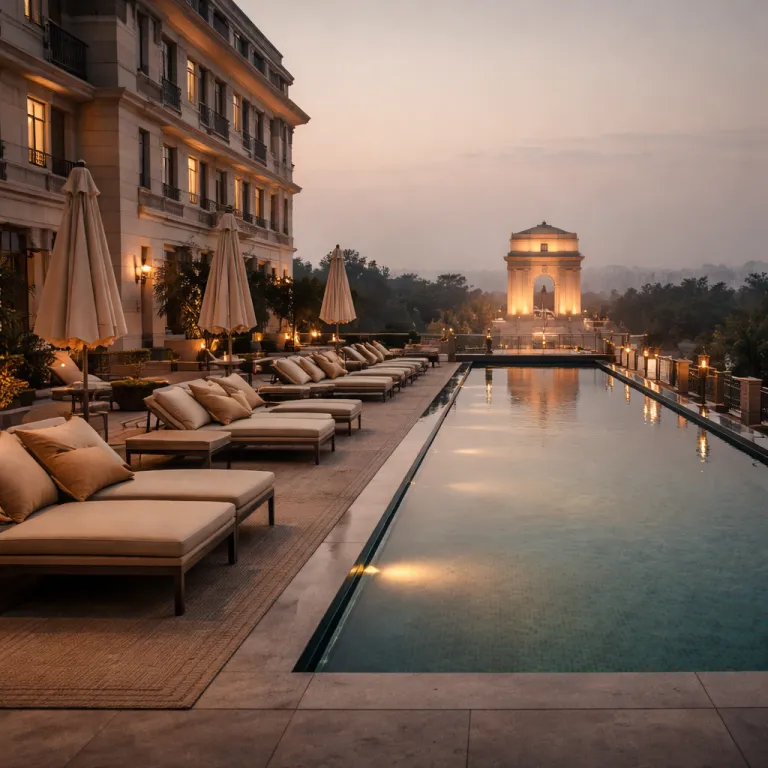
Urban properties increasingly adopt resort style amenities without sacrificing central locations. A city hotel may feature a rooftop pool with a sweeping city and park panorama, a spa level that feels like a secluded lodge, and wellness programs tailored to jet lagged guests. These hybrid hotels resorts models allow you to enjoy the energy of a city center while returning each evening to the atmosphere of a tranquil mountain resort or lakeside retreat.
When evaluating wellness offerings, consider how they integrate with the overall class and star rating of the property. Some hotels near national park gateways emphasize outdoor activities, partnering with guides for hikes in canyon national landscapes or ski days in nearby deer valley slopes. Others, such as established city icons, focus on refined spa rituals and quiet lounges, ensuring that whether you stay in city utah, a European capital, or an Asian resort district, your hotel’s wellness facilities match your travel rhythm and expectations.
Learning from Utah: city, valley, and national park luxury stays
Utah offers a concentrated lesson in how five star hotels near tourist attractions can serve very different landscapes. In salt lake city, luxury hotels combine views of the Wasatch mountains with quick access to the business district, cultural venues, and a central city park. Travelers often use these city hotels as a base before continuing to resorts in park city, deer valley, or to national park gateways further south.
In park city and deer valley, properties such as Stein Eriksen Lodge and Snowpine Lodge exemplify the mountain resort approach to luxury. These hotels and resorts provide ski in ski out access in winter, hiking and mountain biking in summer, and spa facilities that frame every treatment with a valley or slope view. Guests appreciate how a high star rating here reflects not only service class but also the quality of on mountain amenities and the ease of reaching lifts and trails.
Further afield, grand america style comfort meets dramatic scenery near Bryce Canyon and other canyon national and national park areas in the state. While some travelers focus on salt lake as a city united hub for flights, others design itineraries that link lake city stays, valley park lodges, and hotels resorts near red rock formations. Across city utah, from urban centers to remote lodge properties, the best five star hotels near tourist attractions demonstrate how thoughtful design, attentive service, and a strong sense of place can elevate every journey.
Practical strategies for booking the best located five star hotels
Securing the best five star hotels near tourist attractions requires a blend of research and timing. Begin by mapping your priority sights, whether they are in a compact city center, around a sprawling city park, or spread across a lake and valley region. Then shortlist hotels and resorts within comfortable walking distance or a short transfer, paying close attention to how each hotel describes its view, access, and neighborhood character.
Use trusted travel platforms to filter by star rating, guest reviews, and distance from key landmarks. When a property markets itself as a view hotel, verify whether the panorama includes a national monument, a lake city waterfront, or a quieter hotel park courtyard. Midway through your planning, consult in depth destination resources such as an elegant guide to five star hotels in New York City to understand how experts evaluate location, class, and service in dense urban environments.
Finally, contact your preferred hotel directly to clarify room categories, spa access, and any special packages that combine accommodation with tickets to a national park, a city park event, or a cultural performance. Ask whether the hotel or lodge can arrange transfers between city united hubs and more remote mountain resort or lake properties within the same trip. By aligning your expectations with clear information, you can confidently select hotels resorts that offer both the best locations and the refined experiences that define modern luxury travel.
Key statistics about five star hotels near major attractions
- There are an estimated 4,000 five star hotels worldwide, many strategically located near major tourist attractions, city centers, and national park gateways.
- Industry data indicates a sustained rise in luxury travel, with increasing demand for hotels and resorts positioned close to cultural landmarks, city parks, and natural sites.
- Travel analysts report that proximity to attractions is a significant factor in guest satisfaction scores for high star rating properties.
Essential questions when choosing five star hotels near tourist attractions
What amenities do five star hotels offer?
Five star hotels typically provide spacious rooms, refined design, and attentive housekeeping, forming a comfortable base near key attractions. Guests can expect on site fine dining, a well equipped spa or wellness area, and concierge services that assist with restaurant reservations and tickets. Many hotels and resorts also offer business facilities, child friendly services, and curated experiences that connect you with the surrounding city or national park.
Are five star hotels near tourist attractions more expensive?
Properties located steps from a city center landmark, a major city park, or a national monument often command higher rates than comparable hotels in less central areas. This premium reflects both the convenience of reduced travel time and the desirability of views over historic streets, lakes, or valley landscapes. Travelers who value location can offset costs by booking in advance, choosing flexible dates, or selecting room categories that balance price with access.
How to find five star hotels near attractions?
To identify suitable options, start with reputable travel websites and filter results by star rating, guest reviews, and distance from your chosen sights. Cross check hotel maps to confirm walking times to museums, parks, or transport hubs, and read recent reviews that mention location and view quality. For complex itineraries that combine city stays with national park visits, consider consulting a travel advisor who understands both hotels resorts offerings and local logistics.